

Link building is probably the most misunderstood strategy in SEO. For years, tactics like buying links, trading links, or blasting automated outreach emails promised quick wins. These approaches now actively harm your visibility.
I’ve spent over two decades helping brands grow through strategic digital marketing, including serving as a Fractional CMO for companies navigating the complexities of organic search. I’ve also written six books on digital and social media marketing including Digital Threads, host the Your Digital Marketing Coach podcast, and teach at universities including Rutgers Business School and UCLA Extension. Through all of this, I’ve watched link building evolve from a numbers game into something much more valuable: a relationship and credibility-building exercise.
Here’s what successful link building actually looks like today: it centers on creating content people genuinely want to reference and building relationships with people who can amplify your work. If you’re a small business owner, entrepreneur, or DIY marketer looking to rank higher without resorting to spammy tactics, this guide will show you how.
Key Takeaways
✅ Quality beats quantity: One relevant, high-authority backlink outweighs dozens of low-quality ones
✅ Digital PR is king: 48.6% of SEO professionals rate it as the most effective tactic
✅ Internal links are free SEO wins you control completely and can implement today
✅ Google has downgraded links: They’re no longer a top-3 ranking factor, but still matter for discovery and trust
✅ Expect to invest: High-quality backlinks average $350-$500 each when purchased through legitimate services
✅ Relationships compound: Building genuine connections creates ongoing link opportunities
What Is Link Building and Why Does It Still Matter?
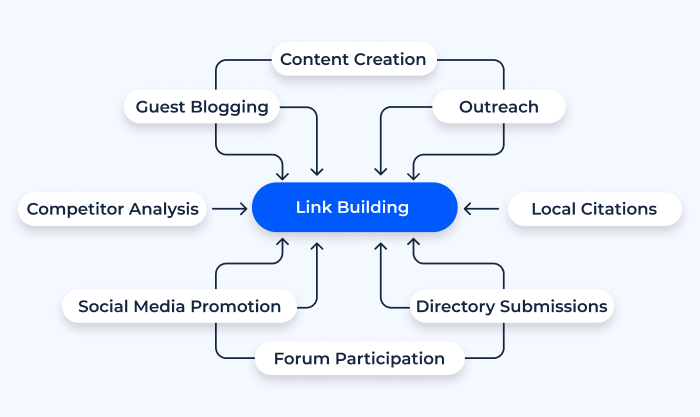
Link building is the practice of earning links from other websites back to yours through relationship-building, quality content creation, and strategic outreach. These backlinks signal to search engines that your content is trustworthy and worth recommending to searchers.
Think about it: when a respected industry publication links to your blog post, they’re essentially vouching for your expertise. Search engines notice this. So do AI systems like ChatGPT and Perplexity when deciding which sources to cite.
Here’s where things get interesting. Google’s Gary Illyes stated at a 2024 conference that links are no longer among the top three ranking factors. But before you dismiss link building entirely, consider this: links still play a critical role in content discovery and establishing E-E-A-T signals (Experience, Expertise, Authoritativeness, Trustworthiness).
According to First Page Sage’s ranking factors analysis, backlinks account for approximately 13% of Google’s ranking algorithm. Not dominant, but far from irrelevant.
The real shift? Quality now trumps quantity completely. One contextually relevant link from an authoritative site in your industry delivers more value than 50 random directory listings.
Your First 5 Link Building Actions (Start Here)
New to link building? Complete these five steps before diving into advanced tactics:
| Action | What to Do | Time Required |
|---|---|---|
| 1. Audit existing links | Use Google Search Console to see who already links to you | 30 minutes |
| 2. Fix broken internal links | Ensure all your pages connect properly using a tool like Screaming Frog | 45 minutes |
| 3. Claim business profiles | Google Business Profile, LinkedIn company page, industry directories | 30 minutes |
| 4. Identify linkable assets | List 3 pieces of content others might want to reference | 20 minutes |
| 5. Build your outreach list | Name 10 bloggers, podcasters, or journalists in your niche | 25 minutes |
Total time investment: 2-3 hours. These foundational steps set you up for everything that follows.
Which Link Building Tactics Should You Avoid?
Before I cover what works, let’s address what doesn’t. Risky or manipulative tactics might produce short-term gains, but they’ll undermine your trust and stability later.
According to Google’s official spam policies, these practices can trigger manual penalties:
- Paying for links or placements without proper disclosure
- Over-optimized anchor text (forcing exact-match keywords into every link)
- Links from irrelevant or low-quality sites that exist solely for link selling
- Private Blog Networks (PBNs), comment spam, and automated outreach
- “Guest post swaps” or obvious reciprocal schemes
- Mass templated emails sent to hundreds of bloggers
I’ve seen businesses lose 60-80% of their organic traffic overnight from Google penalties related to these tactics. The recovery process takes months, sometimes years. Not worth the risk.
How Has Link Building Changed in 2026?
The link building environment has fundamentally shifted. Old tactics like mass directory submissions, link exchanges, and paying for guest posts on low-quality sites no longer work. Worse, they can actively hurt you.
Is Your LinkedIn Not Delivering Results?
Just released: my new book to help professionals, entrepreneurs, and business owners maximize LinkedIn for real growth.
With years of LinkedIn expertise, Maximizing LinkedIn for Business Growth offers actionable steps to build your brand, expand your network, and drive results.
Start leveraging LinkedIn like never before—grab your copy now! Click the cover or button below to buy on Amazon.

Here’s what changed:
| Old Approach | New Approach |
|---|---|
| Quantity of links | Quality and relevance of links |
| Exact-match anchor text | Natural, varied anchor text |
| Directory submissions | Earned editorial placements |
| Link exchanges | Genuine relationship building |
| Paid guest posts | Value-driven content contributions |
| Mass outreach templates | Personalized, helpful communication |
My philosophy is simple: treat link building as strategic visibility, not a numbers game. You want backlinks that actually send relevant traffic and reinforce your expertise. I’ve written extensively about SEO best practices that align with this approach.
What Makes a Backlink Valuable?
Not all links are created equal. Understanding what makes a backlink valuable helps you prioritize your efforts.
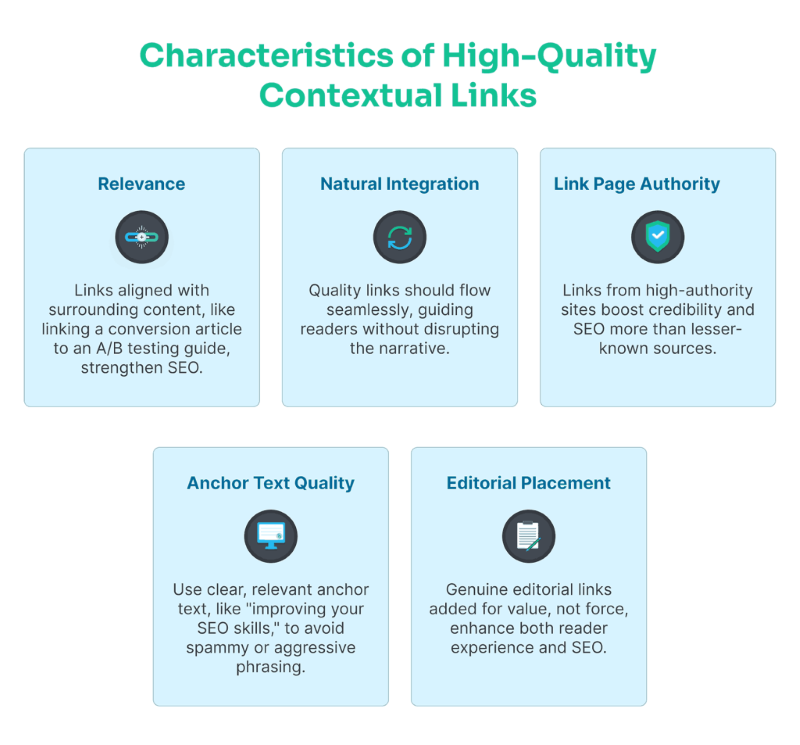
Authority: Does the Linking Site Have Credibility?
High-authority links signal to search engines that respected sources recognize your expertise. These “votes of confidence” help your content compete.
Domain Authority (DA), developed by Moz, predicts how likely a website is to rank on search engine results pages. While not a Google metric, it provides a useful proxy for evaluating potential link sources.
| Authority Metric | What It Measures | Tools to Check |
|---|---|---|
| Domain Rating (DR) | Overall site authority | Ahrefs |
| Domain Authority (DA) | Ranking potential | Moz |
| Page Authority | Single page strength | Moz |
| Trust Flow | Link quality profile | Majestic |
Small sites can absolutely earn strong links. When you develop well-crafted, relevant content that solves real problems, size matters less than value.
For more on building your site’s authority, check out my guide on increasing domain authority.
Relevance: Does the Link Make Contextual Sense?
Links from topically aligned sources carry far more weight. A link from a marketing blog to your marketing content makes sense. A link from a pet food site? Not so much.
Topical relevance often matters more than raw domain authority. A DA 40 site in your exact niche can outperform a DA 70 site in an unrelated industry.
Follow natural topical connections. If you’re in productivity, adjacent topics include time management, workflow automation, and workplace wellness. This concept of content marketing strategy extends to link building as well.
Placement and Context: Where Does the Link Appear?
Editorial links embedded within the body content of an article carry significantly more weight than sidebar widgets or footer links. Search engines understand that contextual mentions represent genuine endorsements.
What this means practically:
- A mention in the middle of a relevant article > a blogroll listing
- Links surrounded by relevant text > orphaned links
- Links that readers might actually click > hidden navigation links
Anchor Text: What Words Link to You?
Anchor text provides clues about your page’s subject matter. But here’s the thing: over-optimization hurts you.
Google’s link best practices documentation recommends natural, descriptive anchor text. Avoid forcing exact-match keywords. Instead, let anchor text vary naturally.
Good examples: “according to this marketing guide,” “Neal Schaffer explains,” “research from HubSpot”
Bad examples: “best link building strategies,” “top SEO tips 2025,” “click here”
Why Internal Links Are Your Secret Weapon
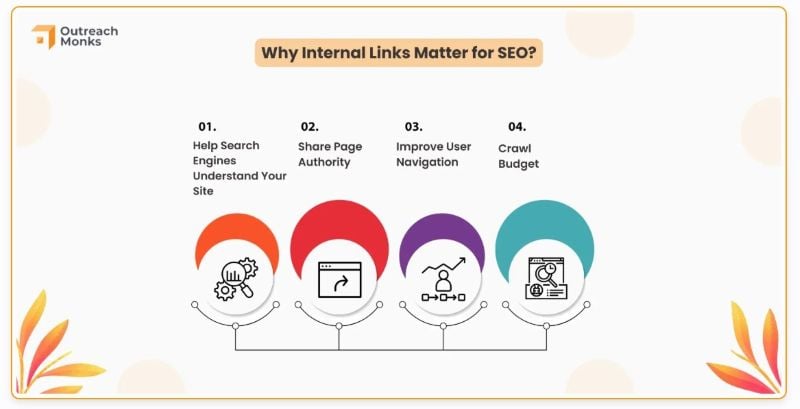
Before chasing external backlinks, master internal linking. It’s free, you control it completely, and it can boost rankings immediately.
Internal links help search engines understand your site structure, distribute authority across pages, and guide readers to related content. Most small businesses dramatically underuse them.
How to Build a Strategic Internal Linking System
A thoughtful approach guides readers naturally through your content while reinforcing your most important pages:
- Use site search to find linking opportunities within existing content
- Create a content map based on keyword clusters and topic relationships
- Link from new posts to older evergreen content to refresh older pages
- Ensure important pages receive multiple contextual links from related content
- Use descriptive anchor text that tells readers what to expect
I link between related topics across my site regularly. For example, this post connects to my SEO basics guide, guest blogging strategies, and blogger outreach tactics.
How Do You Build Links the Right Way?
1. Create Content Worth Linking To
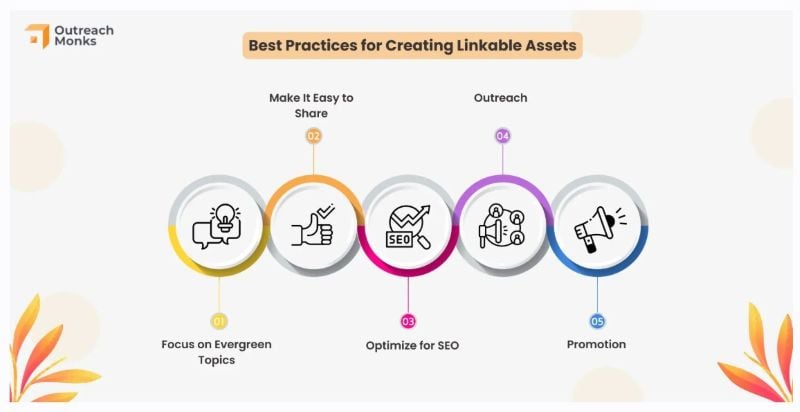
Producing resources people genuinely want to cite remains the most reliable foundation for earning backlinks. Strong linkable assets attract organic attention and make outreach exponentially more effective.
Types of linkable content that consistently perform:
| Content Type | Why It Works | Example |
|---|---|---|
| Original research/surveys | Provides unique data others cite | Industry salary survey |
| Comprehensive guides | Becomes go-to reference | Complete beginner’s guide to X |
| Free tools/calculators | Offers practical utility | ROI calculator, template library |
| Infographics/visual data | Easy to embed and share | Industry statistics visualization |
| Expert roundups | Built-in promotion from participants | “25 experts share their top tips” |
Ahrefs documented a case study where they created a statistics page specifically designed to attract backlinks. Through targeted outreach of 515 emails, they earned 36 high-quality backlinks from 32 websites. That’s a 7% conversion rate, far above industry averages.
Small businesses can create linkable assets without massive budgets. Tools like Adobe Express make infographic creation accessible. Original surveys can be conducted through free tools like Google Forms or Typeform.
2. Build Relationships Before Asking for Links
Meaningful relationships with creators, journalists, and industry peers transform link earning from one-off transactions into an ongoing source of opportunity. When people know and trust your work, they naturally want to share it.
How to build these relationships:
- Engage genuinely on social media before ever asking for anything
- Provide value first through thoughtful comments, shares, or introductions
- Collaborate on content like podcast appearances or expert contributions
- Attend industry events (virtual or in-person) and connect authentically
- Share others’ work generously and consistently
This relationship-first approach aligns with influencer marketing principles I’ve taught for years. The psychology is identical: give before you ask.
3. Use Digital PR to Earn Media Coverage
Digital PR has emerged as the most effective link building tactic according to 48.6% of SEO professionals surveyed in 2025. This approach combines traditional PR tactics with SEO objectives.
Effective digital PR tactics:
- Respond to journalist queries through platforms like Qwoted, Featured, or Help a B2B Writer (note: the original HARO platform shut down in late 2024)
- Newsjacking by providing expert commentary on breaking industry news
- Create data-driven stories that journalists want to cover
- Build relationships with industry reporters who cover your beat regularly
I discuss earned media strategies in depth in my content on blog marketing and promoting your blog.
4. Guest Contributions (Done Right)
Writing for respected publications can open doors to new readers and position your expertise where it naturally fits. The key word: respected.
Guest posting guidelines:
✅ Do: Write genuinely valuable articles for publications your audience reads
✅ Do: Focus on audience building, not just link acquisition
✅ Do: Include your unique perspective and real experiences
❌ Don’t: Pay for placements on “guest post farms”
❌ Don’t: Write thin content just to get a link
❌ Don’t: Submit the same article to multiple sites
A BuzzStream study found that 85.3% of guest posting sites are low quality. Be selective. For guidance on doing this right, see my guest blogging guide.
5. Leverage Social Media and Thought Leadership
Active engagement on social platforms helps your content reach people who can amplify it. LinkedIn posts, YouTube videos, and X threads can all drive discovery that leads to backlinks.
Social media supports link building by:
- Expanding content reach beyond your existing audience
- Positioning you as an industry voice worth citing
- Creating shareable formats that introduce your work to linkers
- Building the personal brand that makes outreach more effective
I’ve found LinkedIn best practices particularly effective for B2B link building opportunities. When you’re known as a thought leader, people seek you out.
6. Reclaim Lost Links and Unlinked Mentions
Over time, valuable mentions and links may break or go uncredited. Revisiting these opportunities strengthens your profile with minimal effort.
Three quick wins:
- Find unlinked brand mentions using Google Alerts or Ahrefs Content Explorer, then politely request attribution
- Fix broken inbound links by identifying 404 pages that have backlinks and redirecting them properly
- Update outdated content to attract new links and keep existing ones relevant
How Should You Approach Link Building Outreach?
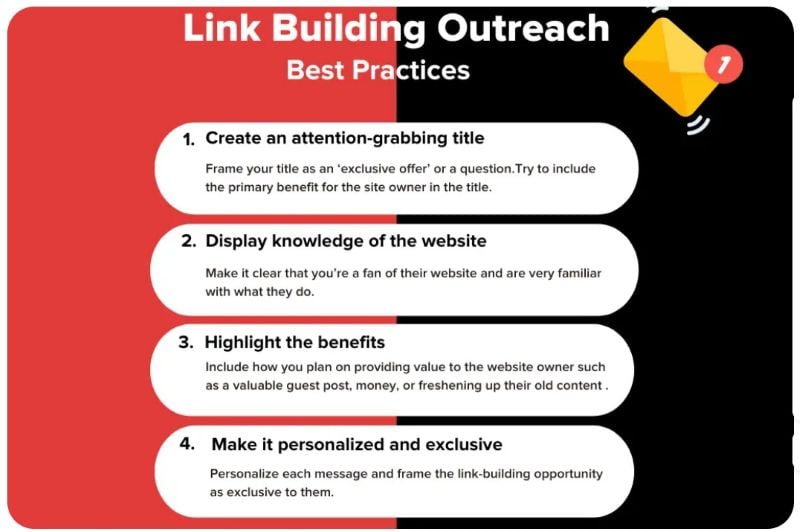
Cold outreach has notoriously low response rates. Research shows that personalized outreach converts at 3-5x the rate of templated messages.
What Makes Outreach Actually Work?
Outreach that feels human and offers genuine value increases your chances of building long-term relationships. Here’s how to stand out:
| Element | Bad Example | Good Example |
|---|---|---|
| Opening | “Dear Webmaster, I love your site” | “Your recent article on [specific topic] helped me solve [specific problem]” |
| Ask | “Would you link to my article?” | “I created [resource] that might help your readers with [specific challenge]. Happy to share if useful.” |
| Value proposition | “This will help your SEO” | “I noticed you referenced [outdated stat]. I have updated data that might be helpful.” |
| Follow-up | Sending 5 more emails | One polite check-in after 7 days |
Rather than asking for links directly, offer something: updated information, a complementary perspective, or a resource their audience would genuinely appreciate.
How Do You Measure Link Building Success?
Look Beyond Raw Backlink Counts
Modern link building success depends on meaningful engagement and visibility, not just link quantities. Here’s what to actually track:
| Metric | What It Tells You | How to Track |
|---|---|---|
| Referral traffic quality | Are links sending relevant visitors? | Google Analytics |
| Brand mentions | Is awareness growing? | Google Alerts, Ahrefs |
| Ranking movement | Are target pages improving? | Google Search Console, rank trackers |
| Domain authority trend | Is overall site strength growing? | Moz, Ahrefs |
| AI citation visibility | Does AI reference your content? | Manual testing in ChatGPT, Perplexity |
Recommended Tools for Link Building
| Tool | Primary Use | Cost |
|---|---|---|
| Google Search Console | Monitor backlinks and referral traffic | Free |
| Ahrefs | Comprehensive backlink analysis | Starts at $99/month |
| Moz | Domain authority tracking | Starts at $99/month |
| Semrush | Competitor link analysis | Starts at $129/month |
| Hunter.io | Find outreach email addresses | Free tier available |
| Qwoted | Journalist query responses | Free |
| BuzzSumo | Find linkable content ideas | Starts at $199/month |
For a deeper dive into SEO measurement, see my SEO report tools guide.
Understanding the True Cost of Link Building
If you’re considering outsourcing or buying links legitimately, here’s what to expect:
According to Editorial.link’s survey of 518 SEO experts, the average acceptable price for a high-quality backlink is $508.95. Ahrefs research puts the typical range at $350-$500 per link.
Monthly link building campaigns typically cost:
- DIY approach: $0 (just your time)
- Freelancer/consultant: $1,000-$3,000/month
- Agency services: $3,000-$10,000+/month
The 80.9% of professionals surveyed believe link building costs will continue rising. Building relationships and creating linkable assets in-house becomes increasingly valuable as paid options get more expensive.
A Strategic Framework for Small Business Link Building
Based on my experience as a Fractional CMO helping businesses navigate digital marketing, here’s the framework I recommend:
Phase 1: Foundation (Weeks 1-4)
- Complete your site audit and fix technical issues
- Build internal linking structure
- Identify 3-5 linkable content assets to create
- Claim all relevant business profiles and directories
Phase 2: Content Creation (Weeks 5-12)
- Develop your first linkable asset (original research, comprehensive guide, or tool)
- Optimize existing high-performing content for link attraction
- Begin building relationships on social media and in industry communities
Phase 3: Active Outreach (Ongoing)
- Launch targeted outreach for your linkable assets
- Respond to journalist queries regularly
- Guest contribute to 1-2 quality publications per quarter
- Monitor and reclaim unlinked mentions
Phase 4: Scale and Optimize (Quarterly)
- Analyze which tactics produce best results
- Double down on what works, cut what doesn’t
- Refresh linkable assets with updated data
- Expand relationship network systematically
For help implementing this framework, I offer digital marketing consulting services for businesses ready to grow.
Frequently Asked Questions About Link Building
Link building typically takes 3-6 months to show measurable ranking improvements. Links need time to be discovered, indexed, and factored into algorithms. Focus on consistent effort rather than expecting overnight results. The compounding effect of relationship-building means results often accelerate over time.
Buying links for ranking purposes violates Google’s spam policies and risks penalties. However, sponsored content with proper disclosure (nofollow/sponsored attributes) is acceptable for brand awareness, just don’t expect SEO benefit. Focus your budget on creating linkable content instead.
There’s no magic number. According to Ahrefs research, the number of referring domains correlates with rankings, but quality matters more than quantity. A single link from a highly relevant, authoritative source can outperform dozens of low-quality links. Focus on earning the right links, not hitting arbitrary targets.
Yes, nofollow links still provide value. They drive referral traffic, build brand awareness, and create a natural-looking link profile. Google has stated they treat nofollow as a “hint” rather than directive, meaning some SEO value may pass. A healthy backlink profile includes a mix of followed and nofollowed links.
Focus on relationship-building and content creation, both of which cost time rather than money. Start with internal linking optimization (free and immediate), claim business directory listings, create one excellent linkable asset quarterly, and engage authentically in your industry’s online communities. These foundational tactics often outperform paid approaches
Ready to Build Authority That Lasts?
Link building doesn’t have to feel manipulative, mysterious, or overwhelming. When you shift your mindset from “How do I get links?” to “How do I create value people want to reference?”, link acquisition becomes natural.
The small businesses and entrepreneurs winning today are the ones who build trust, produce genuinely useful content, and show up consistently in their industry’s conversations. With the strategies above, you can build a foundation of authority that improves your search visibility, strengthens your brand, and opens doors far beyond the links themselves.
Ready to get serious about your SEO and digital marketing strategy? Let’s talk about how I can help you build sustainable visibility.
Actionable advice for your digital / content / influencer / social media marketing.
Join 13,000+ smart professionals who subscribe to my regular updates.
