

If you’re still sending one-off email blasts, you’re leaving money on the table. The businesses I advise see the biggest wins when they automate timely, relevant messages across the customer journey.
Fortunately, you don’t need a big team or budget to do this well. In this guide, I’ll show you how to pick the right stack, build the first automating systems that matter, and measure what moves the needle. Expect a practical road map you can implement in days, not months, with examples and playbooks that fit small businesses and scrappy entrepreneurs.
First, though, what exactly is email marketing automation?
What Is Email Marketing Automation and Why It Matters Now
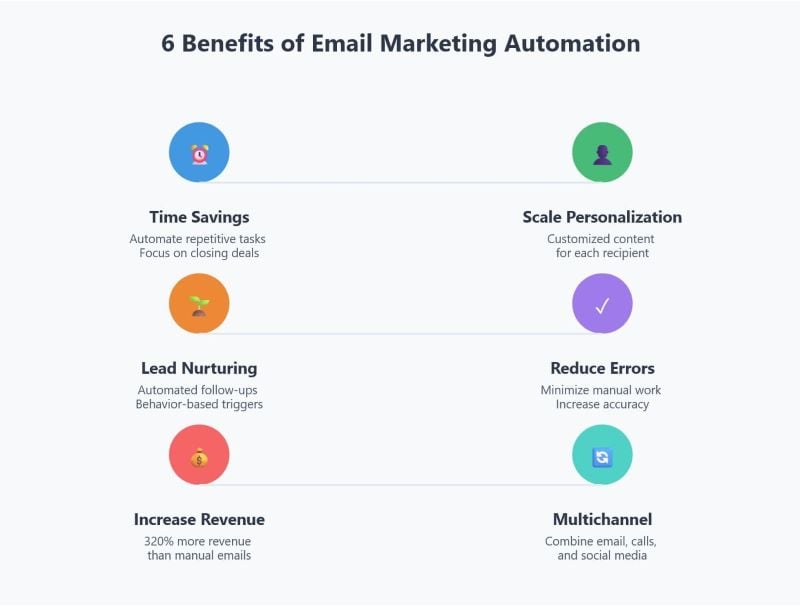
Most small businesses send newsletters or promotions, but few use automation to send timely, behavior-based messages that convert. Here’s what automation really means, why it outperforms manual campaigns, and how it helps you scale personalization without scaling workload.
Definition and Differentiation: Automated email marketing sends personalized, trigger-based email campaigns. These outperform one-size-fits-all blasts and build trust with your audience.
Where It Fits: Email marketing automation complements newsletters and transactional emails to consistently deliver important touchpoints.
Benefits Backed by Data:
- Automated emails drive 320% more revenue than non-automated campaigns (Campaign Monitor).
- Automations often account for 37% of sales from about 2% of send volume (Omnisend 2025 Report).
- Abandoned cart and welcome flows generate the highest revenue per recipient (Klaviyo).
Common Myths to Address:
- “Automation is only for ecommerce.” Automation is used to target audiences–no matter where they originate. E-commerce, services, and brick-and-mortar establishments can all benefit from email automation.
- “It is too technical or expensive.” On the contrary, email campaigns using automation are frequently easy to put together, and there are plenty of budget-friendly platforms from which to choose.
- “You will annoy subscribers with too many emails.” Email marketing campaigns are not too numerous when using automated systems. Instead, they provide customers with targeted and intentional communication.
Build These 12 Revenue-Ready Automations First
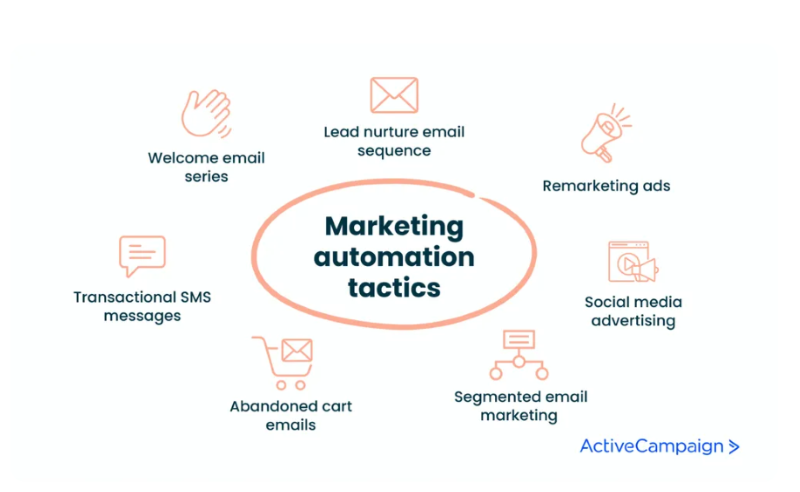
Email automation can feel overwhelming, so let’s simplify it by focusing on the flows that deliver proven ROI. These 12 foundational automations help you capture sales, nurture leads, and retain customers without adding to your workload.
- Double Opt-In Confirmation: This automated tool is used to validate subscribers, improve deliverability, and ensure compliance while setting expectations. This is required to ensure that your email campaigns are adhering to best practices.
- Welcome Series: These emails are used to greet new subscribers, introduce your brand, and drive the first action. Your first action may be reading a key resource or making a first purchase–anything to bring your audience back for more.
- Lead Magnet Delivery: Lead magnet delivery systems instantly send your free resources, then follow with a short nurture sequence that connects the topic to your paid offer. These marketing emails are designed to build trust and encourage curiosity.
- Abandoned Cart / Booking Reminder: Companies can recover lost revenue with a friendly reminder or incentive tailored to what was left behind. Email campaigns that make use of abandoned cart or booking reminders may be able to see greater returns on those who go without.
- Browse Abandonment: Using a browse abandonment email sequence, reignite interest by showcasing recently viewed products or related recommendations. Companies can also build customer relationships when these emails are tailored properly.
- Post-Purchase / Post-Service Follow-Up: Thank buyers, confirm details, and invite reviews or referrals using these email flows.
- Onboarding Series: Help new clients or subscribers see value quickly with a few actionable setup or success emails. Onboarding email content helps keep audience interest while adding value.
- Replenishment / Renewal Reminder: Prompt repeat business before products run out or subscriptions expire with these email flows.
- Review or Feedback Request: Ask for testimonials shortly after delivery to generate social proof and strengthen relationships. This automation tool works double time to provide additional advertising.
- VIP or Loyalty Reward: Recognize top customers with exclusive offers or early access to new products using a VIP or loyalty reward email flow.
- Re-Engagement / Win-Back: Reconnect with inactive subscribers through personalized “we miss you” content or an incentive. Even a small discount can encourage your email list to respond!
- Anniversary / Birthday Celebration: Finally, strengthen loyalty with milestone or birthday emails that make subscribers feel appreciated and seen.
Further Reading: What is Email Marketing Automation and How Much Can You Actually Automate?
Tailor Automations to Your Business Model
Every business has a different customer journey, and your automation mix should reflect that. Tailor automation workflows to match…
- Ecommerce: Focus on cart, browse, and post-purchase flows to increase repeat purchases. Use dynamic product blocks and replenishment triggers.
- Service Providers & Consultants: Prioritize lead nurture, consult booking, onboarding, and testimonial sequences. Integrate with your calendar to automate confirmations.
- Local Businesses: Use appointment reminders, missed-call follow-ups, and review prompts. Pair email with SMS for time-sensitive messages.
By tailoring your automations, you make sure that your email content fits both your audience and your business, and you maintain a high level for customer experience.
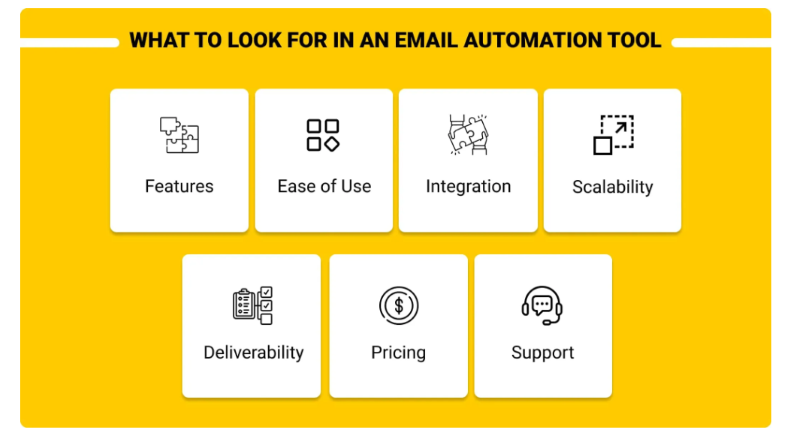
The right email automation platform depends on your business goals and complexity. Choose a tool that balances power with usability and budget. The tools I typically recommend include:
Starter tools: MailerLite, EmailOctopus, and Brevo (formerly Sendinblue)
Mid-tier automation powerhouses: ActiveCampaign, Drip, Klaviyo, and Omnisend
CRM-centric systems: HubSpot, Freshworks, and Zoho Campaigns
As you begin your search to improve email flows and support your email list, look for:
- Visual workflow builders and segmentation depth.
- Site and ecommerce tracking.
- AI-driven personalization or content recommendations.
- Reporting, deliverability insights, and pricing transparency.
My quick picks include…
- Ecommerce Under 10k Contacts: Klaviyo or Omnisend
- B2B services or Creators: ActiveCampaign or MailerLite
- Budget-Conscious Small Teams: Brevo or Sender
- CRM-First Growth: HubSpot Starter or Zoho Campaigns
Further Reading: 15 Best Marketing Automation Tools to Streamline Your Strategy in 2025
Deliverability, Compliance, and Trust: Getting Emails to the Inbox (Legally)
Even the smartest automations fail if your emails don’t reach inboxes or if subscribers stop trusting you. Protect your sender reputation, respect privacy, and maintain credibility. To make sure you maintain customer relationships and consistently reach inboxes, make sure you…
Trying to Keep Up with Digital Marketing?
Just released: my new book to help small businesses, entrepreneurs, and marketers master digital marketing in today’s digital-first world.
Drawing on my Fractional CMO experience, Digital Threads simplifies complex strategies into clear, actionable steps for success.
Transform your business today—grab your copy! Click the cover or button below to buy on Amazon.

- Authenticate and protect your domain. Use SPF, DKIM, and DMARC. Warm up new domains gradually and maintain a consistent sender name.
- Maintain list and content hygiene. Regularly remove bouncing emails and inactive subscribers, use plain-text companions, and avoid spam-trigger words.
- Respect consent and privacy: Always use double opt-in, honor unsubscribes, and comply with CAN-SPAM, CASL, and GDPR. Failing to comply can lead to issues with deliverability and can cause significant issues for your business.
- Control frequency: Cap total sends per user per week and prioritize automation over bulk blasts. Having an email list does not mean sending out a constant stream of emails. Prioritize quality over quantity.
- Build long-term trust: Send value-driven content, monitor complaint rates, and treat your list as a privilege, not a right. User experience matters, so make sure that your email copy and automation practices are delivering value.
Adhering to the rules and regulations set forth for email deliverability and contact is vital to make sure your company does not face legal issues or risk deliverability concerns.
Further Reading: Email Deliverability Guide: 16 Best Practices to Reach More Inboxes
Personalization, Copy, and Creative Options That Convert
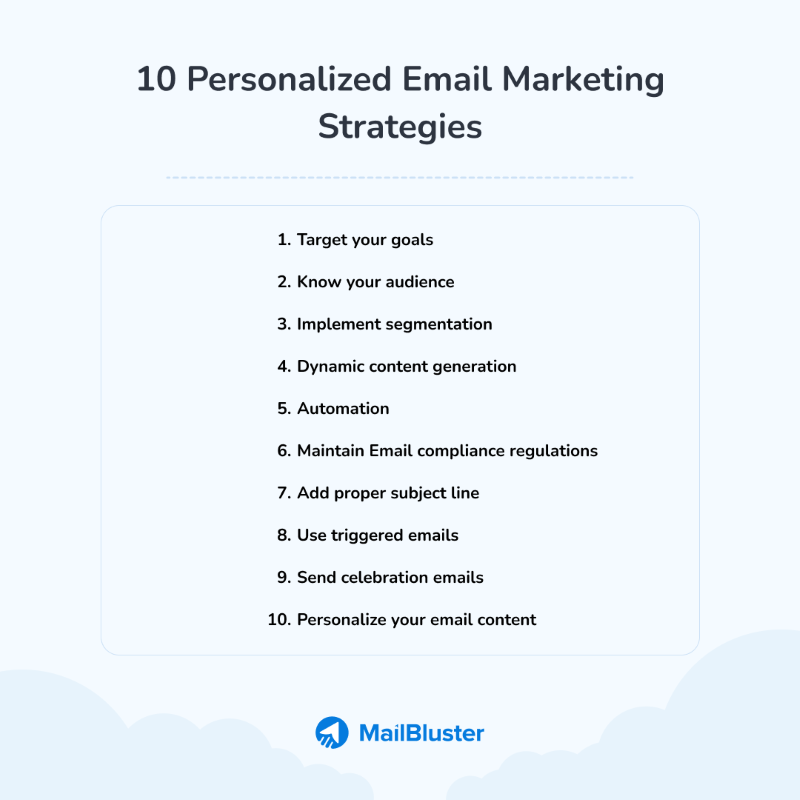
Automation works best when every message feels personal and valuable. Combine smart segmentation, strong copy, and simple design for higher engagement. To begin personalizing your email templates and developing effective automation flows, begin with…
- Building segments. New subscribers, first-time buyers, repeat buyers, high AOV customers, and dormant users are all valuable segments from which to build.
- Personalizing beyond names. Tailor email automation ideas by lifecycle stage, product category, and location.
- Copying frameworks. Hook → value → proof → action. Following a basic framework helps simplify your digital marketing strategies and save both time and money.
- Developing solid subject line ideas. Curiosity + data point and benefit + time frame and question + outcome. Subject lines should spark interest and offer insight.
- Following compelling design principles. Use one clear CTA, mobile-first layout, scannable blocks, and visual hierarchy as you build your content.
- Promoting ethical incentives. Think time-bound offers for high intent only and loyalty perks for VIPs without over-discounting or undercutting your competition.
Metrics That Matter and Benchmarks to Watch
Automation isn’t “set and forget.” Focus on the KPIs that reveal true ROI to make sure that your email metrics are showing actual value and pointing to any areas that need attention.
Core Flow Metrics to Keep an Eye On
- Welcome. When a customer first makes a purchase or activates a subscription, keep an eye on your welcome emails. Take note of how quickly that welcome email leads to a purchase, or how quickly a purchase leads to subscription.
- Cart/Browse. Evaluate recovery rate and revenue per recipient to determine how effective your customer support practices are.
- Post-Purchase. How quickly do you see repeat purchases? Repeat purchase rate and time-to-second-order rates will both help inform your post-purchase flows.
- Win-Back. The reactivation rate you see in response to your win-back emails can quickly reveal how effective or ineffective your current win-back automation is.
Program-Level KPIs to Evaluate
- Aim for 20% of your email revenue to come from automations at the start. Email automation is designed to work for you and cut down on time and energy. 20% is a solid starting point.
- Track revenue per subscriber, list growth vs churn, and aim for a CTR above 3%. If your numbers do not meet this goal, take a closer look at your email automation processes or content.
- Watch spam complaints (gold standard) and try to maintain open rates above 30% whenever possible. This will ensure that you do not fall into the trap of email deliverability issues.
Regularly A/B test subject lines, timing, or offers, and run quarterly cohort analysis to understand long-term value by flow. By auditing your email automation regularly, you can make sure you stay on top of any potential issues that arise.
Further Reading: 17 Metrics to Consider for Your Email Marketing Report
The 90-Day Implementation Roadmap (and Pitfalls to Avoid)
You don’t need to automate everything at once. Follow this practical, phased plan to launch, test, and refine your automations—while avoiding the most common mistakes.
Phase 1: Foundation (Days 1–21)
Connect your CRM or store, authenticate domains, and import a clean list. Your email list is important to get right. Make sure you are adhering to all best practices.
Launch welcome and confirmation flows first. Launching into an immediate sales pitch can feel aggressive. Launch confirmation and welcome flows to connect with your audience while building trust.
Pitfall: Skipping authentication or list cleaning can tank deliverability early. Early deliverability issues can effectively destroy a campaign.
Phase 2: Conversion and Engagement (Days 22–60)
Add cart, browse, post-purchase, and lead nurture automations. These can help foster trust, as well, while encouraging action steps to improve revenue.
Enable frequency caps and build a preference center. By tweaking your approach, you can foster loyalty and deliver superlative customer service, while still keeping a close eye on conversions and sales targets.
Pitfall: Overlapping automations can cause over-sending and unsubscribes. Your audience should not feel as though you are hounding them; instead, they should feel as though you are extending a hand to help.
Further Reading: 19 Email Marketing Examples to Inspire Better Results
Phase 3: Optimization and Scale (Days 61–90)
Layer in VIP, win-back, and milestone emails. These emails help keep wayward subscribers in the loop, and create a healthy sense of urgency to either maintain a subscription or engage more consistently.
Test top flows, prune inactive contacts, and document workflows. By paying close attention, you will maintain successful deliverability rates and build a stronger customer base.
Pitfall: Measuring vanity metrics—focus instead on conversions, repeat purchases, and retention.
Final Tip: Treat automation as a living system. Review analytics monthly, update content quarterly, and retire outdated flows to keep results strong.
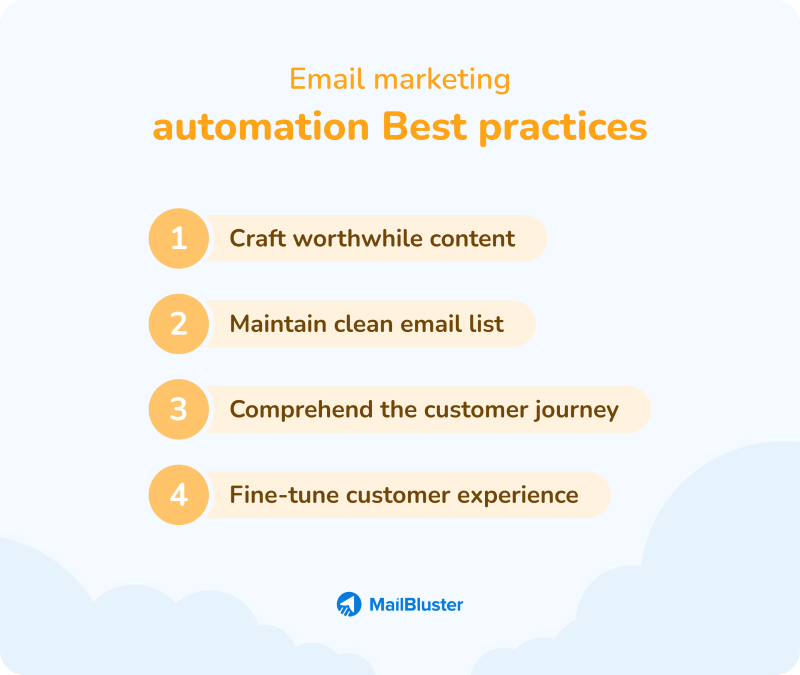
Email automation isn’t about simply sending more emails. It’s really about sending the right message at the right time and letting software handle the rest.
Start with a few flows that reliably generate revenue, protect deliverability, and measure impact beyond opens and clicks. With a focused 90-day plan and the right tools, you can convert more visitors, increase retention, and grow your pipeline without adding headcount–all without a substantial increase in marketing time or energy.
If you want help tailoring these playbooks to your business model, this is exactly the kind of work I do as a Fractional CMO. Reach out for a more detailed plan, or to learn how to tailor your email marketing automation to your business or brand.
Actionable advice for your digital / content / influencer / social media marketing.
Join 13,000+ smart professionals who subscribe to my regular updates.
