

Video blogging works when you focus on three things: your smartphone camera, a clear niche, and consistent publishing. You don’t need expensive equipment to start a successful vlog. Most creators begin with the camera in their pocket and add gear as their audience grows.
The truth is, video content creation has become accessible to everyone. What once required thousands in equipment now needs just a smartphone and basic editing software. Your personality matters more than production quality when building an audience.
This guide walks you through the complete process of starting your video blog. You’ll learn equipment essentials, platform selection, content planning, and audience growth tactics. By the end, you’ll have a clear roadmap to launch your first vlog and build momentum.
Key Takeaways
✅ Start video blogging today with just your smartphone—modern devices shoot professional 4K video with built-in stabilization.
✅ YouTube remains the top platform for vloggers, but repurposing content to TikTok and Instagram Reels multiplies your reach.
✅ Audio quality matters more than video quality—invest in a basic wireless microphone before upgrading your camera.
✅ Consistency beats perfection: posting 1-2 videos weekly builds audience momentum faster than sporadic “perfect” uploads.
✅ Monetization combines multiple streams—ad revenue, sponsorships, affiliate marketing, and digital products work together.
What Is Video Blogging (Vlogging)?
Video blogging, or vlogging, is a format of content creation where you share experiences, knowledge, or entertainment through recorded video rather than written posts. Vloggers plan content around specific niches and build viewership on social platforms like YouTube, TikTok, and Instagram. The format creates more personal connections with audiences through visual storytelling.
Instead of typing paragraphs, you record yourself talking to the camera or capturing experiences as they happen. This directness builds trust faster than text alone. Think about it: when you watch someone explain a concept on video, you get their tone, facial expressions, and energy instantly. Written content requires much more effort to convey that same warmth.

Video blogs cover unlimited topics. Some creators document daily life. Others teach skills, review products, or share travel adventures. The niche you choose determines your content style and target audience—something I’ve written about extensively in my guide to becoming a content creator.
How Do Vlogs Differ from Traditional Blogs?
Traditional blogs rely on written content and static images. Vlogs use video as the primary medium. This fundamental difference changes how you communicate ideas and connect with viewers.
| Aspect | Traditional Blog | Video Blog (Vlog) |
|---|---|---|
| Primary Medium | Written text + images | Video footage |
| Production Time | Writing + editing | Filming + video editing |
| Audience Connection | Indirect through words | Direct through personality |
| SEO Approach | Keyword-focused text | Titles, descriptions, transcripts |
| Monetization | Ads, affiliates, products | Ads, sponsorships, memberships |
| Platform Options | WordPress, Medium | YouTube, TikTok, Instagram |
Production demands differ significantly between formats. Blog posts need writing and editing time. Vlogs require filming, lighting considerations, and video editing. The time investment shifts from typing to recording and post-production. I break down these differences further in my comparison of blogging vs vlogging.
Why Does Video Content Matter Now?
Audiences increasingly prefer video over text because visual content holds attention longer, explains complex ideas more effectively, and allows multitasking consumption. According to Sprout Social’s research, 78% of people prefer learning about new products through short video content. That’s not a trend—it’s a fundamental shift in content consumption.
Here’s what’s happening: platforms prioritize video in their algorithms. YouTube, TikTok, Instagram, and Facebook push video content to more users than static posts. This gives vloggers better organic reach than traditional bloggers typically achieve.
YouTube alone sees over 1 billion hours of video watched daily. YouTube Shorts get 70 billion daily views. These numbers aren’t slowing down—they’re accelerating.
Monetization opportunities expand with video too. Ad revenue, sponsorships, and product sales all work exceptionally well with vlog formats. Brands pay premium rates for video creators because of higher engagement. I’ve covered the business case in my video marketing statistics breakdown.
Gary Vaynerchuk captured this perfectly with his “Document, Don’t Create” philosophy: “Too many content creators think that they only have one at bat—they have to make the one, most beautifully created video or image,” he wrote. The reality? Consistent documentation beats occasional perfection every time.
What Are the Different Types of Vlogs?
Your niche determines everything about your vlog. It shapes your content ideas, equipment needs, and target audience. Selecting a focused niche helps you create consistent content that attracts specific viewers.
Most successful vloggers stick to one primary niche. This builds authority and makes it easier for viewers to understand what you offer. You can expand later, but start narrow.
Overwhelmed by Digital Marketing?
Just released: my new book to help small businesses, entrepreneurs, and marketers master digital marketing in today’s digital-first world.
Drawing on my Fractional CMO experience, Digital Threads simplifies complex strategies into clear, actionable steps for success.
Transform your business today—grab your copy! Click the cover or button below to buy on Amazon.

Popular Vlog Categories
Daily vlogs show your everyday life and experiences. These work well if you have an interesting lifestyle or engaging personality. Viewers follow you like a reality show.
Travel vlogs document destinations and adventures. You film locations, experiences, and travel tips. This niche requires mobility and comfort filming in public spaces.
Tutorial vlogs teach specific skills. Cooking, fitness, beauty, tech reviews, and how-to content all fall here. Your expertise becomes the value proposition—similar to what I teach about creating engaging video content.
Product review vlogs evaluate items in specific categories. Tech, beauty, gaming, or household products all work. Brands often sponsor these creators once they build audience size.
| Vlog Type | Best For | Equipment Needs | Monetization Potential |
|---|---|---|---|
| Daily Vlogs | Engaging personalities | Smartphone, basic mic | Medium (sponsorships) |
| Travel Vlogs | Adventure seekers | Portable camera, gimbal | High (tourism brands) |
| Tutorial Vlogs | Subject experts | Tripod, good lighting | High (courses, affiliates) |
| Review Vlogs | Product enthusiasts | Quality audio, macro lens | Very High (brand deals) |
| Business Vlogs | Entrepreneurs | Simple setup | High (consulting, products) |
How to Choose Your Vlog Focus
Match your niche to your natural interests and knowledge. You’ll create content consistently only if you genuinely enjoy the topic. Passion shows through in your videos—viewers can spot forced enthusiasm immediately.
Research audience demand before committing. Search YouTube for your topic ideas. Check view counts, comment activity, and subscriber growth of similar channels. This validates market interest before you invest time. For structured approaches, check out my YouTube video ideas guide.
Consider your unique angle. What makes your perspective different from existing vloggers? Your background, personality, or approach should set you apart from competitors.
Which Platform Should You Choose for Your Vlog?
YouTube remains the primary video blogging platform because it offers the best monetization options, supports long-form content, and provides strong search discovery. Most serious vloggers build their main presence here, then expand to TikTok and Instagram for additional reach.
Platform selection impacts your growth strategy and content format. Each platform serves different audience behaviors and content lengths. Start with one platform and expand after establishing momentum.
Why YouTube Works Best for Long-Form Vlogs
YouTube supports videos from seconds to hours long. The platform rewards watch time and consistent uploads. Building a YouTube channel requires patience but offers the strongest long-term growth potential.
Search functionality helps new viewers discover your content organically. People actively look for topics, and optimized videos appear in results. This creates passive audience growth over time—something I detail in my YouTube SEO guide.
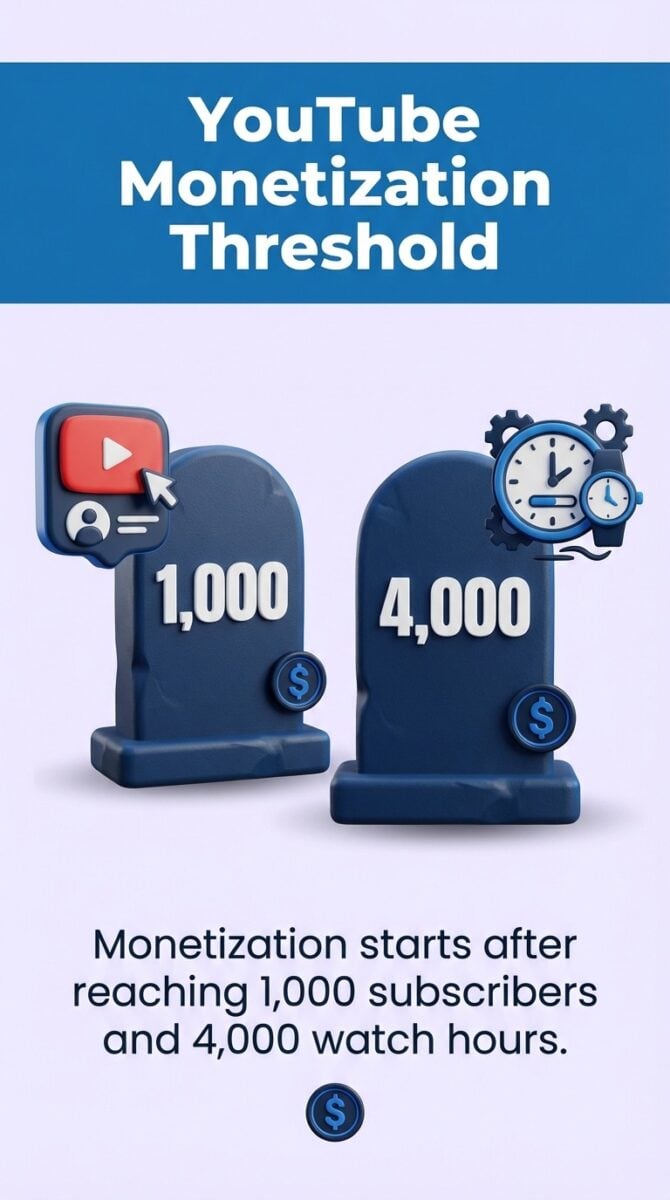
Here’s what you need for monetization: The YouTube Partner Program requires 1,000 subscribers and 4,000 watch hours in the past 12 months. For Shorts-focused creators, you need 1,000 subscribers and 10 million Shorts views in 90 days. Once approved, ad revenue, channel memberships, and YouTube Shopping all generate income.
According to Business of Apps, YouTube generated $36.1 billion in revenue in 2024, with $14.5 billion from subscriptions alone. The platform continues investing heavily in creator monetization.
How Do TikTok and Instagram Reels Compare?
TikTok focuses on vertical, short videos under 10 minutes. The algorithm pushes content to non-followers aggressively, allowing faster initial growth than YouTube. Research from Socialinsider shows TikTok receives approximately 50 billion daily views.
Instagram Reels compete directly with TikTok. The platform reaches established Instagram users who prefer staying in one app. Reels can drive followers to your main profile—perfect if you’re already building an Instagram content strategy.
| Platform | Best For | Video Length | Daily Views | Monetization Start |
|---|---|---|---|---|
| YouTube | Long-form vlogs | Unlimited | 1B+ hours watched | 1K subs + 4K hours |
| YouTube Shorts | Quick clips | Up to 3 min | 70 billion | Same as YouTube |
| TikTok | Viral short-form | Up to 10 min | 50 billion | Creator Fund varies |
| Instagram Reels | Visual content | Up to 15 min | 18 billion | Bonuses available |
Should You Use a Multi-Platform Strategy?
Start with one primary platform. Master its format, algorithm, and audience before expanding. Spreading too thin early kills momentum—I see this mistake constantly.
Use secondary platforms to drive traffic to your main channel. Post clips and teasers that link back to full videos. This builds your main audience while maintaining presence elsewhere. I cover this approach in my YouTube marketing strategy guide.
WordPress allows you to create a hub for all your video content. You can embed videos from YouTube, Vimeo, and other platforms by simply pasting URLs into posts. This gives you an owned platform independent of social algorithms—essential for anyone serious about starting a blog alongside their vlog.
What Equipment Do You Need for Video Blogging?
You can start vlogging today with equipment you already own. Beginners should prioritize content creation over gear upgrades. Your first 20 videos matter more than having perfect equipment.
Three elements determine video quality: camera, audio, and lighting. You need acceptable performance in all three areas. Here’s the key insight: weak audio ruins even beautiful footage. Viewers tolerate mediocre video but click away from bad sound.
What Camera Options Work for Every Budget?
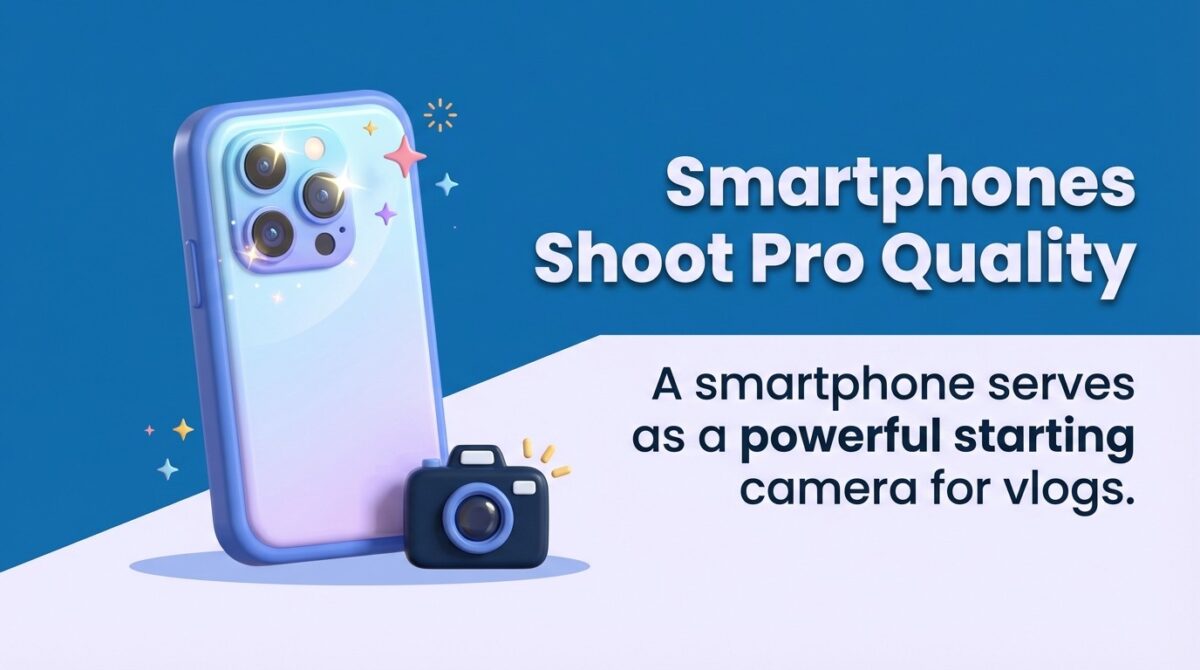
Your smartphone serves as a powerful starting camera. Modern phones shoot 4K video with excellent stabilization. This eliminates the need for immediate camera purchases.
I’ve tested various setups, and here’s my honest take: the camera in your pocket beats the expensive camera you don’t own yet. Start creating first, upgrade later.
For dedicated cameras, the Sony ZV-E10 (around $700) is designed specifically for vlogging. It includes a flip screen, quality built-in microphone, and excellent autofocus. According to RTINGS.com’s camera reviews, it remains one of the best YouTube cameras for beginners.
Action cameras like the GoPro Hero line handle rough conditions and mounting to various surfaces. Wide-angle lenses capture immersive scenes—perfect for travel and adventure vlogs.
| Camera Type | Price Range | Best For | Pros | Cons |
|---|---|---|---|---|
| Smartphone | Already own | Beginners | Convenient, quality 4K | Battery drain, storage |
| Sony ZV-E10 | $700-900 | Serious vloggers | Flip screen, great AF | Lens investment needed |
| DJI Pocket 3 | $500-650 | Travel vloggers | Built-in gimbal, portable | Small sensor |
| GoPro Hero | $300-500 | Adventure content | Durable, wide-angle | Limited controls |
| Sony ZV-E1 | $2,200+ | Professionals | Full-frame, cinema quality | Expensive |
Why Does Audio Quality Matter More Than Video?
Poor audio causes viewers to click away faster than any other technical issue. Invest in a basic wireless microphone before upgrading your camera.
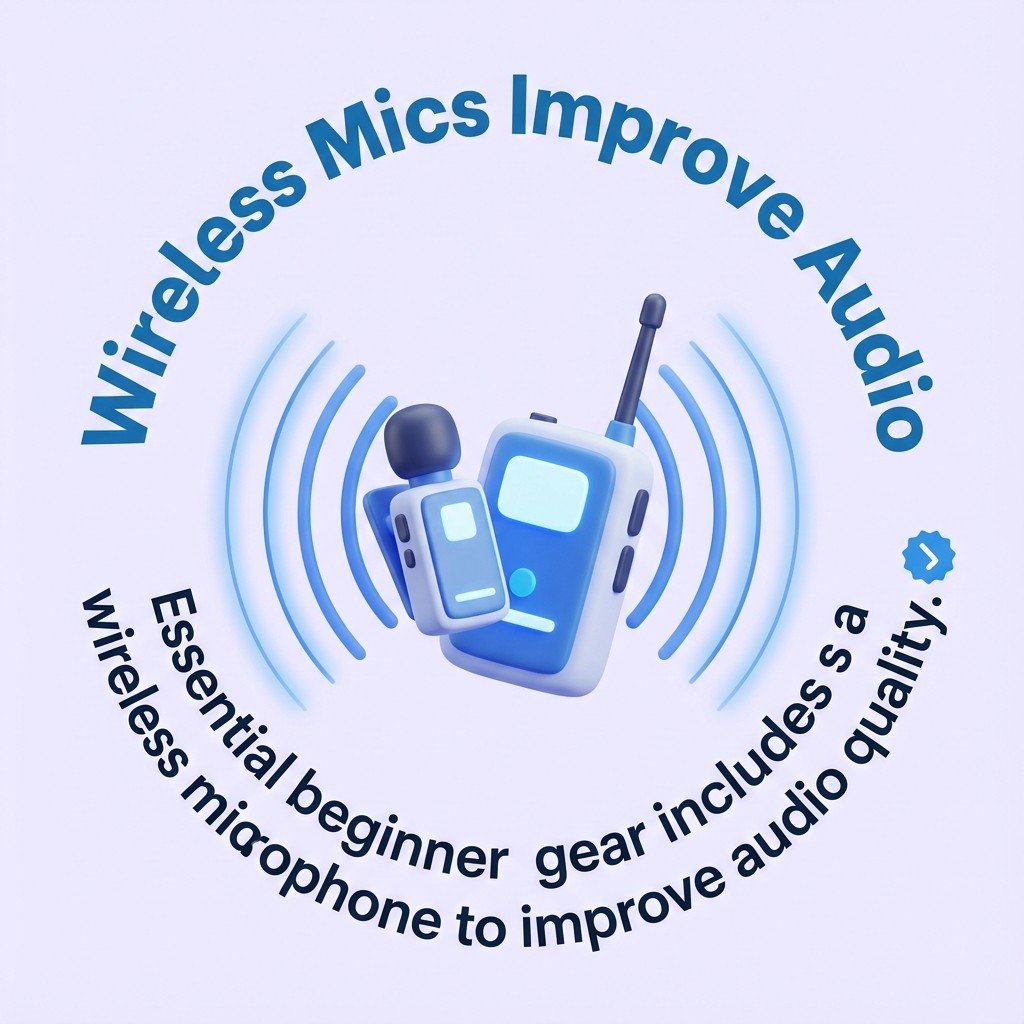
Lavalier microphones clip to your shirt and capture clear voice audio. Wireless systems like the Rode Wireless Micro (around $100) that I personally use give you movement freedom. These work with smartphones, cameras, and even your computer.
Shotgun microphones mount on your camera and focus on sounds in front. They reduce background noise better than built-in camera mics. This matters for outdoor filming where wind and ambient noise compete with your voice.
What Lighting Setup Should Beginners Use?
Natural window light works beautifully for indoor vlogs. Position yourself facing the window so light falls evenly on your face. This costs nothing and looks professional.
Ring lights provide consistent lighting for talking-head videos. They eliminate shadows and create even illumination. Basic models cost under $50 and dramatically improve visual quality. I recommend starting here before investing in complex three-point lighting setups.
Do You Need Stabilization Equipment?
Gimbals use motors to counteract hand movement, creating smooth footage. The Insta360 Flow 2 Pro (around $160) pairs well with smartphones for walking shots.
Tripods solve stability for static shots. A basic tripod with phone mount costs under $30. This frees you to move around the frame and gesture naturally—essential for tutorial content.
Flexible tripods like the Joby GorillaPod wrap around objects for creative angles. These work especially well for travel vloggers filming in unpredictable locations.
How to Start a Vlog: Step-by-Step Guide
Starting your vlog requires a systematic approach. Follow these steps in order to build proper foundations. Skipping ahead causes problems later—trust me, I’ve seen it happen repeatedly.
Step 1: Define Your Niche and Audience
Write down exactly who you’re creating content for. Age range, interests, and problems they face all matter. Specific audience definition guides all content decisions.
Test your niche idea by watching successful creators in that space. Study their video titles, thumbnails, and comment sections. This reveals what resonates with your target audience.
Create an audience avatar document. Include demographics, challenges, and content preferences. Reference this before creating each video to stay focused.
Step 2: Set Up Your Channel
Create accounts on your chosen platforms. YouTube requires a Google account. TikTok and Instagram need mobile app registration.
Complete your profile thoroughly. Add a clear profile picture, banner image, and detailed bio. Include relevant keywords so people find you through search. I cover branding essentials in my guide to personal branding for YouTube.
Enable all available features for your account type. YouTube requires phone verification for longer videos. Instagram needs a business account for analytics access.
Step 3: Plan Your First 10 Videos
Plan video ideas before filming anything. Write titles and brief outlines for your first batch. This prevents creator’s block after initial excitement fades.
Front-load your best ideas. Your first videos establish expectations and attract early subscribers. Save mediocre ideas for later when you have audience momentum.
Balance evergreen and timely content. Evergreen videos drive long-term traffic through search. Timely content capitalizes on current trends and interest.
Step 4: Film Your First Video
Start with a simple talking-head video. Sit in good lighting and talk directly to the camera. This removes variables while you get comfortable on camera.
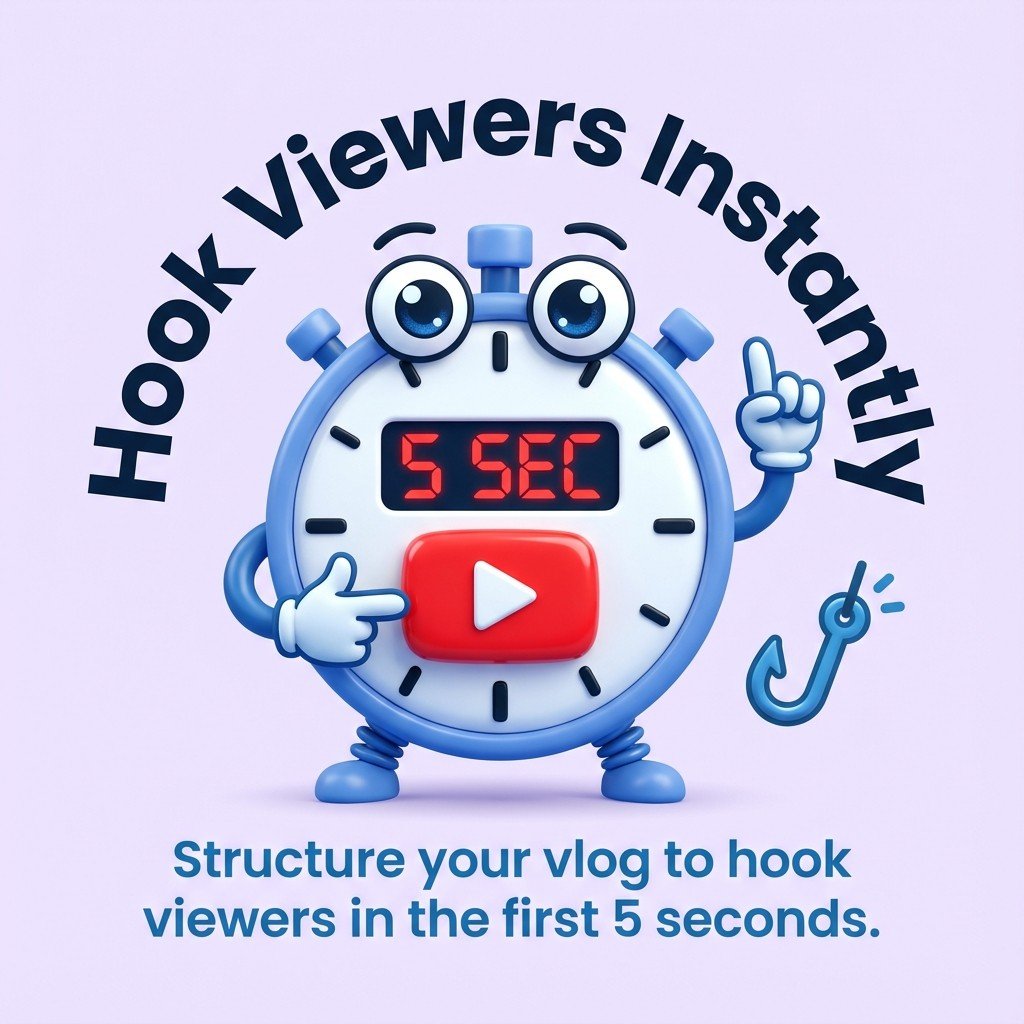
Structure your vlog to hook viewers in the first 5 seconds. State your topic and value immediately. People decide whether to keep watching almost instantly—there’s no grace period.
Embrace imperfection in early videos. Nobody creates perfect content at first. Publish consistently rather than waiting for perfection that never comes.
Step 5: Edit and Polish
Import footage into editing software. Remove mistakes, long pauses, and unnecessary content. Tight editing maintains viewer attention better than lengthy, uncut videos.
For editing software, beginners should consider:
- DaVinci Resolve (Free) – Professional-grade with a learning curve
- CapCut (Free) – User-friendly with social media focus
- Descript (Paid) – Text-based editing that feels like editing a document
- Adobe Premiere Pro (Subscription) – Industry standard for professionals
Add basic elements like intro graphics, background music, and text overlays. Many editing apps include templates. Use royalty-free music from Epidemic Sound or YouTube’s Audio Library to avoid copyright issues.
Export in the correct format for your platform. YouTube prefers 1920×1080 (1080p) at minimum. TikTok and Instagram Reels need vertical 9:16 format.
Step 6: Optimize for Discovery
Write clear, keyword-rich titles that explain your video content. Front-load important keywords. Titles should intrigue while accurately representing content.
Optimize your video description with relevant keywords and timestamps. YouTube uses this text for search ranking. Include links to related content and social profiles.
Create custom thumbnails with clear text and expressive faces. Thumbnails significantly impact click-through rates. Test different styles to see what resonates. For deeper tactics, see my YouTube video marketing guide.
Step 7: Publish and Promote
Upload your video and set it to public. Double-check all metadata before publishing. Changes after publishing can hurt initial algorithm performance.
Share across all your social channels immediately after publishing. Email your list if you have one. Early engagement signals tell algorithms your content is valuable.
Respond to every comment in the first 24 hours. This boosts engagement metrics and builds community. Viewers return when they feel heard by creators.
How Do You Edit Videos for Your Vlog?
Editing transforms raw footage into engaging content by removing dead space, mistakes, and filler words while adding music, graphics, and visual enhancements. You don’t need advanced skills to create professional-looking vlogs. Master basic techniques first, then add complexity gradually.
Essential Editing Techniques
Cut out dead space, mistakes, and filler words. Viewers appreciate tight pacing. Remove anything that doesn’t add value or entertainment.
Use jump cuts to maintain energy. These are simple cuts within the same shot that remove pauses. They’re a vlog staple because they keep content moving quickly.
Add background music at low volume. Music fills silence and sets emotional tone. Keep it subtle—music should enhance, not overwhelm your voice.
Visual and Audio Enhancement
Color correct your footage for consistency. Most editing software includes auto-correction tools. Manual adjustments let you develop a signature visual style over time.
Add text overlays to emphasize key points. Viewers often watch without sound. On-screen text ensures they understand your message regardless of audio.
Level your audio so volume stays consistent throughout. Viewers hate adjusting volume constantly. Most editing software includes audio normalization features—use them.
How Do You Grow Your Vlog Audience?
Growing your vlog audience requires consistent uploads, search optimization, community engagement, and strategic content repurposing across platforms. There’s no shortcut here—audience building takes time and systematic effort.
What Upload Schedule Should You Follow?
Post 1-2 long-form YouTube vlogs weekly plus 3-5 Shorts or clips across platforms. Consistency matters more than perfection.
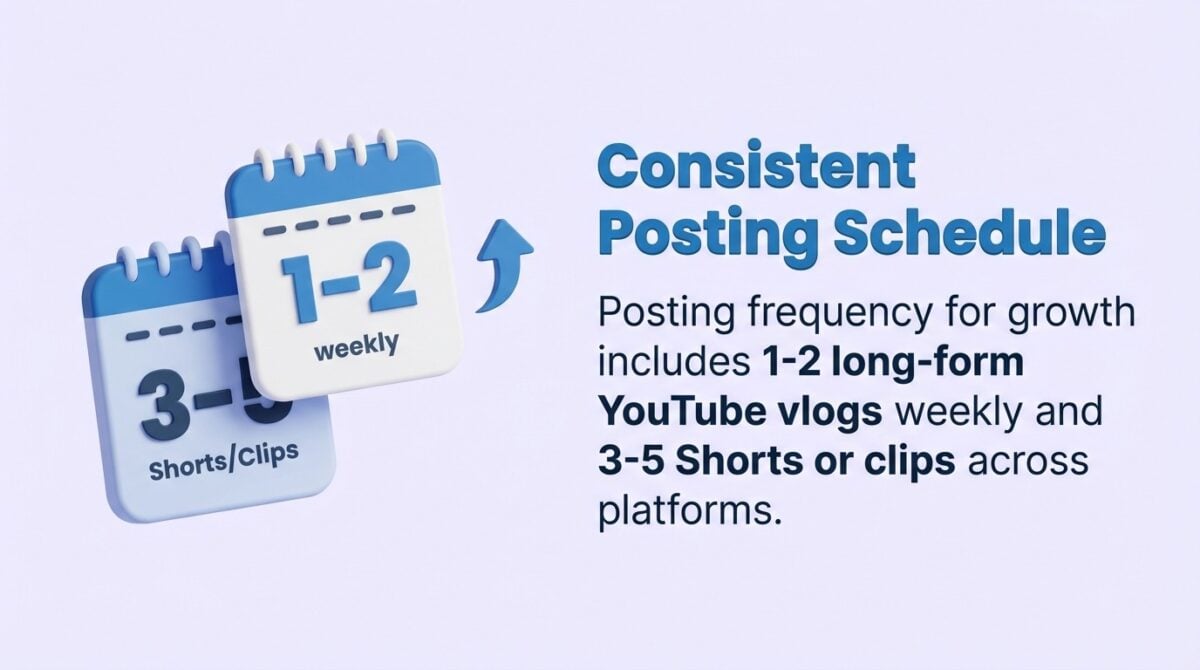
Pick a schedule you can maintain long-term. Publishing once weekly beats sporadic uploads. Your audience learns when to expect new content—and they’ll show up for it.
Batch-create content when possible. Film multiple videos in one session, then edit and schedule them. This prevents gaps when life gets busy.
How Do You Optimize for Search and Discovery?
Research keywords before creating videos. Use YouTube’s search suggestions and tools like TubeBuddy to find popular search terms. Create content around these topics.
Study successful videos in your niche. Analyze their titles, thumbnails, and video structure. Identify patterns you can adapt without copying.
Create series and playlists. These keep viewers watching multiple videos in one session. YouTube’s algorithm rewards longer watch sessions, so make it easy for viewers to binge your content.
Why Does Community Engagement Matter?
Respond to comments meaningfully. Ask questions back. Thank viewers for watching. This builds relationships beyond one-way broadcasting.
Create community posts between videos. YouTube, Instagram, and TikTok all support text and image posts. Keep your audience engaged when you’re not publishing videos.
Ask for feedback and implement it. Viewers appreciate when creators listen. This also gives you content ideas directly from your target audience.
Should You Collaborate With Other Creators?
Find creators at similar size in your niche. Propose collaboration ideas that benefit both audiences. This exposes you to viewers already interested in your topic.
Guest appearances work well for vlogs. Feature other creators in your videos and appear in theirs. Cross-promotion accelerates growth for everyone involved.
Join creator communities online. Connect with other vloggers for support, idea sharing, and potential collaborations. I share more strategies in my TikTok marketing guide.
How Do You Repurpose Content Across Platforms?
Turn long YouTube videos into multiple short clips. Post these on TikTok, Instagram Reels, and YouTube Shorts. Each clip can attract new viewers to your main channel.
Extract audio for podcast distribution. Some audiences prefer audio consumption. Repurposing extends your content’s reach without extra filming time.
Create blog posts from video content. Transcribe videos and edit into articles. This helps with SEO and serves people who prefer reading—a strategy I cover in my social media content creation guide.
How Do You Monetize Your Video Blog?
Video blogs offer multiple revenue streams including platform ad revenue, sponsorships, affiliate marketing, digital products, and channel memberships. Most successful vloggers combine several income sources rather than relying on one.
Platform Ad Revenue
YouTube Partner Program shares ad revenue with creators once you reach eligibility requirements. Revenue varies significantly by niche and viewer demographics—finance and business niches typically earn higher CPMs than entertainment.
TikTok’s Creator Fund pays based on views and engagement. Requirements change by country. Payment rates are generally lower than YouTube ads.
Ad revenue alone rarely supports full-time creators at small audience sizes. View it as supplemental income while building other streams.
Sponsorships and Brand Deals
Brands pay creators to feature products in videos. Rates depend on your audience size, engagement rate, and niche. Sponsored content often pays better than ads, especially for niche audiences.
Reach out to relevant brands once you pass 5,000 subscribers. Pitch specific integration ideas rather than generic sponsorship requests. Show how their product fits your content naturally.
Disclose sponsorships clearly. YouTube requires this legally. Transparency builds trust with your audience, which protects your long-term relationship with viewers.
Affiliate Marketing
Promote products you use and earn commission on sales. Include affiliate links in video descriptions. Amazon Associates works for general products, but niche-specific programs often pay better.
Create dedicated review and tutorial content. These naturally include product recommendations. My guide on how to monetize a blog covers affiliate strategies that translate directly to video.
| Monetization Method | Best For | Revenue Potential | Time to Start |
|---|---|---|---|
| YouTube Ads | All niches | $2-15 per 1K views | 1K subs + 4K hours |
| Sponsorships | 5K+ subscribers | $500-50K per video | 3-12 months |
| Affiliate Marketing | Review content | 5-30% commission | Immediately |
| Digital Products | Expertise niches | $10-2K per sale | 3-6 months |
| Channel Memberships | Engaged audiences | $5-50/member/month | 1K subscribers |
Digital Products and Services
Create courses teaching your expertise. Platforms like Teachable and Gumroad handle hosting and payment. Your audience already trusts your teaching ability through your videos.
Offer coaching or consulting services. Direct your viewers to book sessions. This works particularly well for business, fitness, and creative niches.
Sell templates, presets, or digital downloads. If you create something repeatedly, package it for your audience. Photo presets, video templates, and planning documents all sell well.
Channel Memberships and Patronage
YouTube channel memberships let viewers pay monthly for perks. Offer exclusive content, badges, and early access. This creates predictable monthly income.
Patreon provides similar membership functionality outside YouTube. Some creators earn more from 100 dedicated patrons than thousands of casual viewers. For more strategies, check my guide on how to make money blogging—many principles apply directly to vlogging.

Frequently Asked Questions About Video Blogging
A vlogger creates, films, edits, and publishes video content while engaging audiences and optimizing for search engines. They handle all aspects of video production from planning through promotion, often managing their own brand partnerships and monetization strategies.
Vlogger income varies dramatically based on niche, audience size, and monetization methods. According to Influencer Marketing Hub, channels with one million subscribers typically earn around $10,000 monthly in ad revenue, with additional income from sponsorships and products potentially doubling or tripling that amount.
Yes. Start with your smartphone and natural lighting. Choose one topic you’re passionate about. Film a simple talking-head video explaining something you know well. Edit out mistakes and post it. Experience builds through creating, not planning.
Start with your smartphone, which shoots professional 4K video. Add a basic wireless microphone ($50-200) to improve audio quality. Use natural window light for illumination. Upgrade to a dedicated camera and lighting only after you’ve published consistently for several months.
Post 1-2 long-form videos per week on YouTube, supplemented by 3-5 short clips on TikTok, Instagram Reels, or YouTube Shorts. Consistency matters more than frequency—choose a schedule you can maintain for at least six months without burnout.
Start Creating Your Vlog Today
You have everything you need to start vlogging right now. Your smartphone, a quiet room, and an idea are enough. Waiting for perfect conditions delays the learning process—and learning happens through doing, not planning.
The best vloggers started with mediocre equipment and rough skills. They improved through consistent creation. Your first video won’t be perfect, but it moves you forward. Video number 50 will look dramatically better than video number one—but only if you actually make videos one through 49.
Here’s what I want you to do: Pick your niche today. Set up your platform account tonight. Film your first video this week. Each step builds momentum toward your goals.
Success comes from publishing regularly, not from viral hits. Focus on serving your specific audience better than anyone else. The algorithm rewards creators who deliver value consistently.
Your unique perspective matters. Someone out there needs exactly what you have to share. Start showing up for them through your video blog.
Ready to level up your digital marketing? Check out my social media marketing guide for strategies that complement your video blogging efforts, or explore my best video marketing tools to streamline your production workflow.
Need a helping hand? Join my Digital First Group Coaching Community where I help content creator entrepreneurs just like you monetized your online profile!
Actionable advice for your digital / content / influencer / social media marketing.
Join 13,000+ smart professionals who subscribe to my regular updates.
