


As brands move into 2026, the boundary between digital discovery and physical purchase has effectively disappeared. Consumers no longer distinguish between online influence and offline action. They expect both to work together seamlessly. This shift has accelerated the adoption of phygital marketing in 2026, an approach that treats physical environments as high-intent extensions of digital experiences — often beginning with simple, familiar tools like QR codes on packaging, signage, and in-store displays.

Rather than relying solely on screens to drive conversion, brands are increasingly using real-world touchpoints to reinforce digital trust. In an era saturated with AI-generated content, physical presence has become a powerful validator of credibility. To maximize ROI, strategies are evolving beyond simply “driving traffic” toward creating continuity — from the smartphone feed to the store shelf.
For enterprise marketers, this evolution represents more than a tactical adjustment. It signals a fundamental change in how influence is measured, activated, and sustained across the customer journey.
From Screens to Surfaces
In 2026, the smartphone functions less as a communication device and more as a lens for interpreting the physical world. Phygital marketing in 2026 leverages this behavior by transforming storefronts, packaging, and in-store signage into digital access points that support real-time decision-making.
Instead of static shelf talkers, brands are introducing interactive elements that provide short demonstrations, usage tips, or expert explanations when consumers are already evaluating a product. These moments are not designed to entertain. They are designed to reduce uncertainty. The objective is not novelty, but reassurance at the precise moment of intent.
Location-aware experiences are also becoming more refined. Rather than aggressive notifications or intrusive prompts, brands are adopting contextual, opt-in triggers that activate only when relevance is clear. When deployed responsibly, these interactions support discovery without overwhelming shoppers, helping bridge the gap between browsing and buying.
Building a Synchronized Phygital Framework
A scalable phygital marketing in 2026 strategy depends on operational alignment, not isolated campaigns. Brands that see consistent results treat phygital execution as infrastructure rather than experimentation.
Leading organizations are moving toward always-on systems that connect digital intelligence with physical execution. This synchronization typically includes four foundational layers:
- Regional alignment: Digital spend mapped to local inventory and demand, ensuring online visibility supports physical availability.
- Inventory awareness: Content that adapts based on real-time product availability, preventing friction caused by out-of-stock experiences.
- Experiential utility: Digital content designed to solve in-store problems — comparison, navigation, or usage clarification — rather than simply promote.
- Verified attribution: Opt-in location signals and store-level data that connect digital exposure to physical action.
Together, these layers allow brands to link influence directly to outcomes, replacing assumptions with accountability.
Why Phygital Marketing Performs Better in 2026
One reason phygital marketing in 2026 is outperforming digital-only strategies is psychological. Consumers have become increasingly skeptical of content that feels synthetic, over-produced, or algorithmically generated. Digital trust alone is no longer sufficient.
Physical environments provide sensory confirmation. When digital information is paired with physical presence, decision-making becomes easier and more confident. Shoppers can validate claims in real time — by seeing, touching, or experiencing a product — while still benefiting from digital context.
This alignment lowers cognitive friction. Instead of forcing consumers to reconcile conflicting signals across channels, phygital experiences offer continuity. The result is higher intent, faster decisions, and improved conversion quality rather than just volume.
To execute effectively, brands must align marketing, retail, and data teams around shared performance goals. Phygital strategies fail most often not because of technology, but because of organizational silos. Key operational priorities include:
- Assessing physical readiness: Identifying retail partners and locations that support QR codes, NFC tags, or location-aware engagement.
- Prioritizing utility over spectacle: Educational, problem-solving content consistently outperforms novelty in physical environments.
- Keeping execution simple: Low-friction tools scale more reliably than complex immersive technologies that require heavy consumer effort.
- Measuring real-world lift: Evaluating performance by comparing phygital-enabled locations against control stores, not vanity metrics.
These priorities shift the conversation from experimentation to performance.
The Role of Creators in Phygital Execution
Creators play a critical role in phygital marketing in 2026, but not in the way brands traditionally expect. Their value lies less in reach and more in credibility at the point of decision.
Creator-led explanations — whether delivered through short videos, tutorials, or testimonials — provide a familiar human voice within unfamiliar retail environments. When consumers encounter trusted perspectives while physically evaluating a product, confidence increases.
Importantly, this content does not need to feel promotional. The most effective creator integrations function as guidance, not endorsement. This distinction is essential in a retail landscape where trust is increasingly fragile.
The Rise of Automated Physical Touchpoints
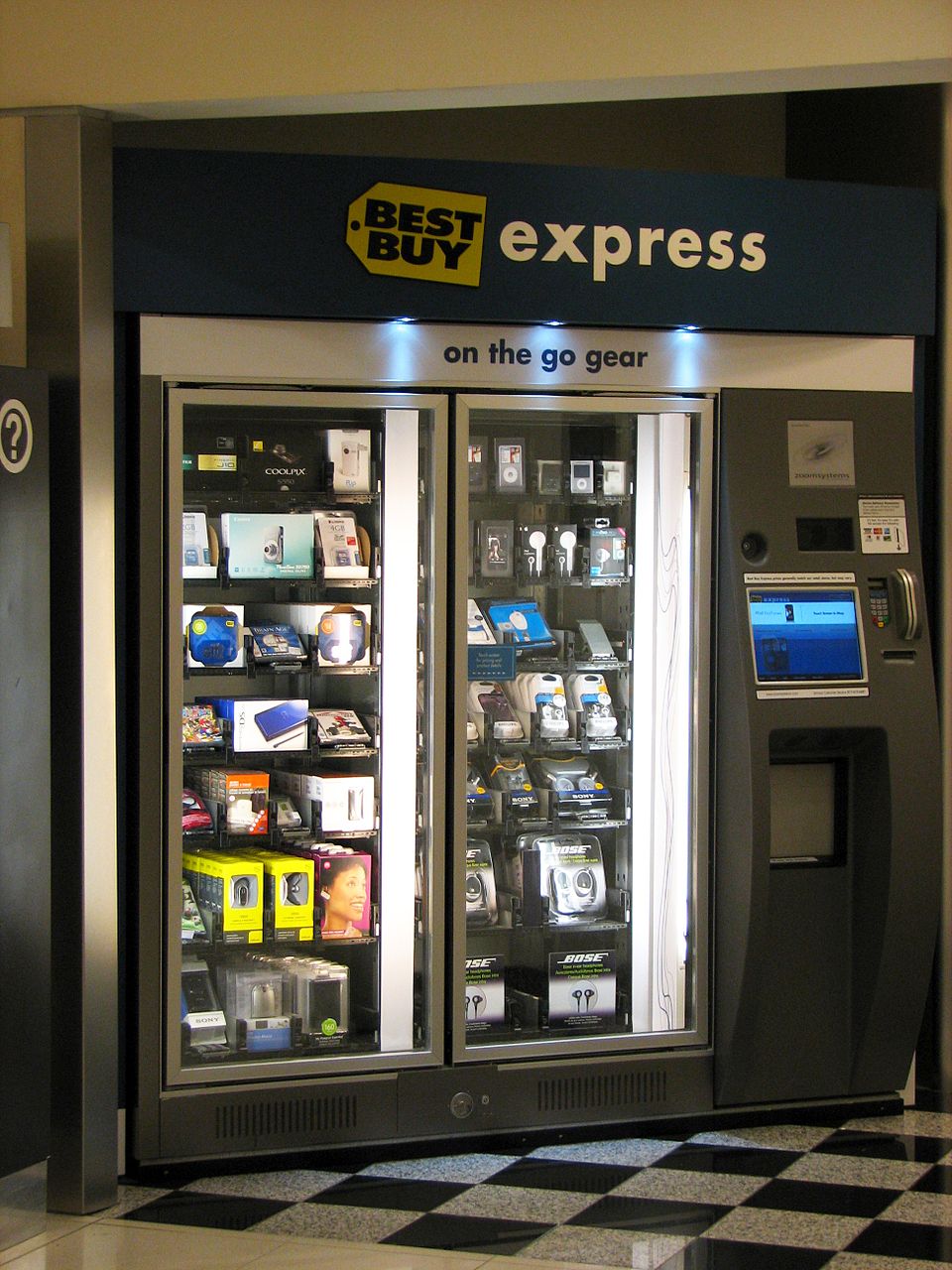
Another emerging component of phygital marketing in 2026 is the growth of automated retail formats, including micro-stores and smart vending environments. These spaces blend digital convenience with physical immediacy, offering controlled environments for experimentation and attribution.
Consumers can unlock products via mobile credentials, browse curated selections, and complete transactions without staff involvement. For brands, these formats provide clarity: digital influence and physical conversion occur within the same system, reducing ambiguity around performance.
As these touchpoints scale, they are likely to become testing grounds for future phygital strategies.
Influence as Infrastructure
In 2026, influence is no longer confined to digital platforms. Store floors, packaging, and physical environments now function as extensions of the social feed. Phygital marketing in 2026 reflects a broader shift, positioning influence not as a campaign tactic, but as operational infrastructure.
Brands that succeed will be those that synchronize digital credibility with physical accountability. By grounding influence in real-world experiences, marketers can move beyond impressions and toward outcomes that are both measurable and meaningful.

Looking to turn digital influence into real-world results? Click here to speak with one of our experts.
