

Digital marketing splits into distinct types, each solving different business problems. Some drive search traffic organically. Others put your message in front of paid audiences. A few build relationships through content or email.
Here’s the truth: you don’t need all ten. Most businesses thrive with three or four types executed well.
What matters is matching the right type to your goals. Want immediate visibility? Paid ads deliver that. Building long-term authority? SEO and content marketing work better. Need direct customer communication? Email still outperforms everything else.
The global digital advertising and marketing market is projected to reach $786.2 billion. That’s not hype—it’s where your customers are spending their time and money.
Each type of digital marketing operates differently. Each requires different skills and tools. Each produces different results on different timelines.
As the author of the definitive digital marketing strategy book for the modern marketer, Digital Threads, I find that many businesses struggle to understand all of their digital marketing options and how to strategically leverage them. This post is intended to be a virtual conversation to help you overcome this struggle.
This guide breaks down ten major types you’ll encounter in 2026. You’ll see what each one does, how it works, and when to use it. You’ll spot which types fit your business and which ones you can skip.
By the end, you’ll know exactly where to invest your time and budget for actual results.
Key Takeaways
✅ Focus on 3-4 digital marketing types executed consistently rather than spreading efforts across all channels.
✅ Email marketing delivers the highest ROI at $36-$42 for every $1 spent—prioritize building your list.
✅ SEO generates 53% of all website traffic and compounds over time, making it essential for long-term growth.
✅ Short-form video drives 70% higher engagement than static content across TikTok, Reels, and Shorts.
✅ Mobile accounts for 62.54% of global web traffic—optimize everything for smartphone users first.
✅ Use analytics to measure results and double down on what works for your specific audience.
What Is Digital Marketing?
Digital marketing is the practice of promoting products or services through online channels, using internet-connected devices to reach target audiences where they already spend time. It encompasses everything from search engine results to social media feeds, email inboxes to streaming video ads.
The definition covers broad ground: Google searches, Instagram posts, email newsletters, YouTube ads. Any marketing that happens through digital channels falls under this umbrella.
Traditional marketing uses billboards, TV commercials, and print ads. Digital marketing uses websites, social media, and search engines. The shift happened because audiences moved online—and they’re not going back.
Think about it: most people now research products online before buying. They read reviews, compare options, and ask questions in online communities. Digital marketing simply meets them in these spaces.
The core difference? Digital marketing lets you track everything. You see exactly how many people clicked, engaged, or converted. Traditional marketing rarely offers that precision.
Online marketing also allows targeting. You can show ads to people based on their location, interests, or past behavior. Traditional methods broadcast to everyone regardless of relevance.
Overwhelmed by Digital Marketing?
Just released: my new book to help small businesses, entrepreneurs, and marketers master digital marketing in today’s digital-first world.
Drawing on my Fractional CMO experience, Digital Threads simplifies complex strategies into clear, actionable steps for success.
Transform your business today—grab your copy! Click the cover or button below to buy on Amazon.

Digital channels also cost less to access. A small business can run social media marketing or email campaigns without massive budgets. Traditional media typically requires significant investment.
| Aspect | Digital Marketing | Traditional Marketing |
|---|---|---|
| Measurement | Precise tracking and analytics | Estimated reach and impressions |
| Targeting | Specific audience segments | Broad demographic groups |
| Cost | Flexible budgets, scalable | Higher minimum investment |
| Interaction | Two-way conversation | One-way broadcast |
| Speed | Real-time adjustments | Fixed once published |
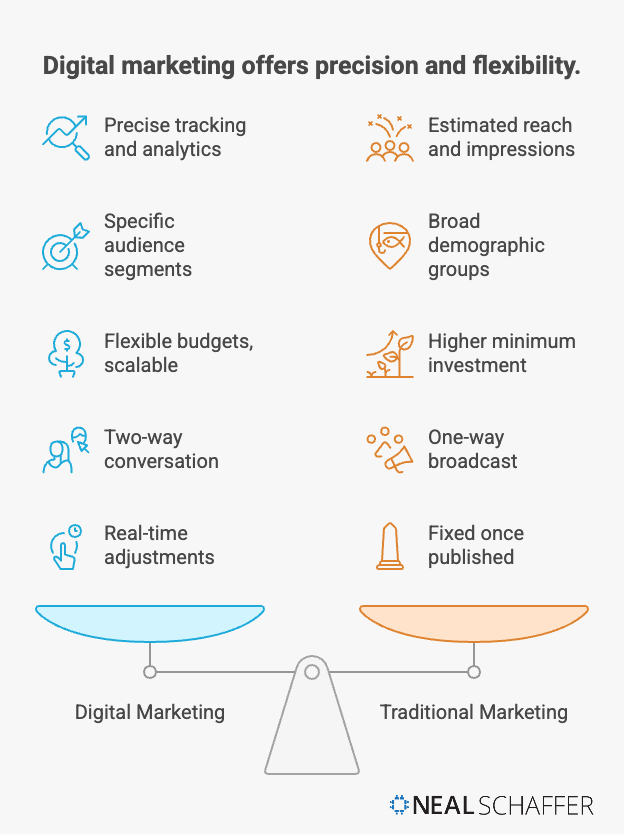
These differences make digital marketing more accessible and measurable. They also make it more complex, with more channels to understand.
That complexity explains why digital marketing splits into distinct types. Each type serves different purposes in your overall marketing strategy.
Why Does Digital Marketing Matter More in 2026?
Digital marketing matters in 2026 because consumer behavior has permanently shifted online—5.42 billion people now use social media, and mobile devices account for 62.54% of all web traffic. Your target audience lives in digital spaces, and meeting them there isn’t optional anymore.
According to Statista, mobile devices generated 62.54% of global website traffic in Q2 2025. That number keeps climbing. If your marketing doesn’t work on a smartphone screen, it doesn’t work.
Search engines answer 16.4 billion queries daily, up from 7 billion just a few years ago. Social media platforms host massive active user bases—the average person uses 6.83 different social networks according to Sprout Social.
The ROI argument makes digital marketing essential too. You track every dollar spent and every action taken. This transparency lets you optimize continuously.
Traditional advertising requires large budgets with uncertain results. Digital marketing scales from small test budgets to major campaigns. You start small, measure results, then expand what works.
Brand awareness now builds through online visibility. When people search for solutions, you need to appear. When they scroll social media, your content should catch their attention.
Customer engagement happens through digital touchpoints. Comments on social posts. Responses to email campaigns. Interactions with your website content. These moments shape brand perception.
Competition has moved online too. Your competitors invest in digital marketing whether you do or not. Skipping digital channels means ceding market share to more digitally savvy businesses.
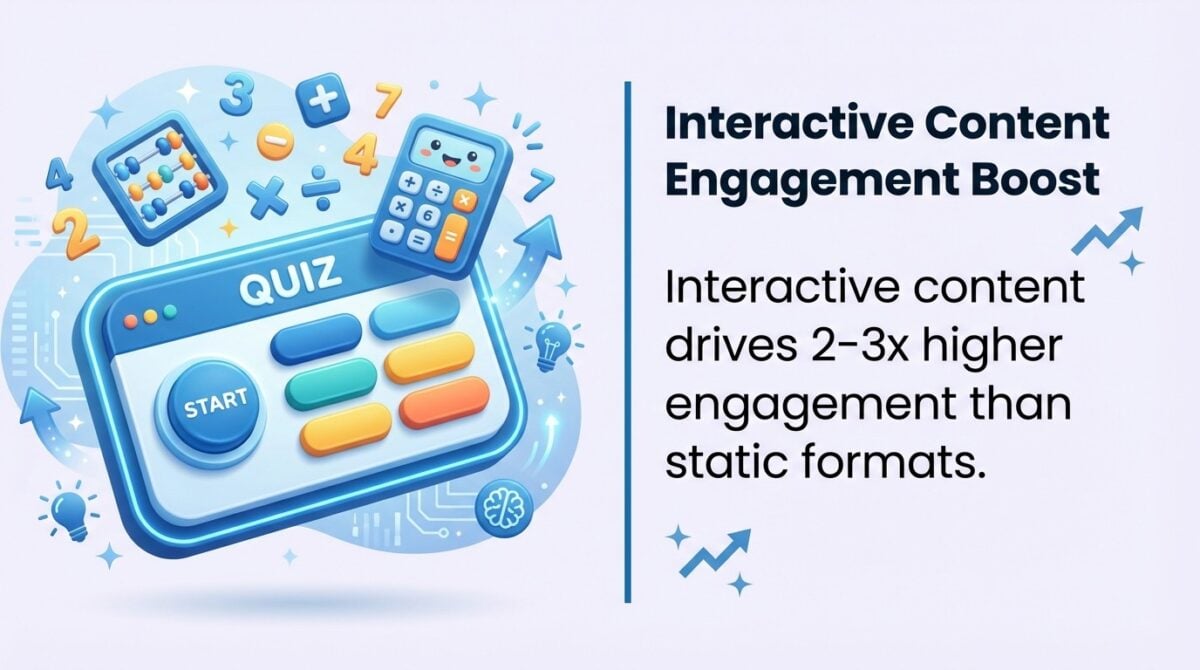
The platforms keep evolving. New features emerge constantly. Interactive content like quizzes and calculators drives higher engagement—up to 2-3x in some cases—compared to static formats. Staying current with these changes gives you competitive advantages.
Cost-effectiveness remains a major factor. Small businesses access the same digital marketing channels as large corporations. The playing field levels when execution matters more than budget size.
Now that you understand why digital marketing matters, let’s examine the specific types you can use.
1. What Is Search Engine Optimization (SEO)?
SEO is the practice of improving your website’s visibility in organic search results so you appear when potential customers search for terms related to your business. It’s the foundation of sustainable online visibility and generates 53% of all trackable website traffic.
This type of digital marketing focuses on understanding search engines and what they reward. Google’s algorithm considers hundreds of factors when ranking pages.
The process starts with keyword research. You identify search terms your target audience actually uses. These keywords guide your content creation.
How Does SEO Work in Practice?
On-page optimization covers what you control on your site. Title tags, meta descriptions, header tags, and content quality all matter. Your pages need to clearly address search intent.
Technical SEO handles behind-the-scenes elements. Site speed, mobile responsiveness, proper indexing, and structured data help search engines understand and rank your site.
Off-page SEO builds authority through backlinks. When other reputable sites link to yours, search engines see your content as trustworthy. Quality matters more than quantity.
Content marketing and SEO overlap significantly. Creating valuable, optimized content that answers user questions drives organic traffic over time.
When Does SEO Make Sense?
SEO works best for long-term strategies. Results typically take three to six months to materialize. Patience pays off with sustainable organic traffic.
According to SeoProfy, SEO delivers a 14.6% conversion rate from organic leads, while traditional outbound methods only reach around 1.7%. That’s not a small difference—it’s transformational.
Businesses with educational content benefit most. If people search for information related to your products or services, SEO captures that intent.
Local businesses need local SEO. Optimizing for “near me” searches and location-based keywords drives foot traffic and local leads.
| SEO Benefit | Business Impact |
|---|---|
| Organic traffic growth | Reduced paid advertising dependence |
| Long-term visibility | Sustainable lead generation |
| Authority building | Increased brand trust |
| Higher conversion rates | 14.6% vs 1.7% for outbound methods |
The main challenge? SEO requires consistent effort. You can’t optimize once and forget it. Search engines update algorithms. Competitors optimize too. Staying visible demands ongoing work.
Tools like Ahrefs, SEMrush, and Google Search Console help track rankings and identify opportunities.
2. What Is Pay-Per-Click (PPC) Advertising?
PPC advertising places your message at the top of search results immediately—you bid on keywords, create ads, and only pay when someone clicks. It delivers instant visibility while you build longer-term organic strategies.
This type of digital marketing delivers results within hours of launch. Unlike SEO’s gradual approach, PPC campaigns can drive traffic the same day you set them up.
Google Ads leads the PPC market with a 39.37% share. Over 63% of people have clicked on a Google ad. Businesses typically make $2 for every $1 spent on Google Ads—when campaigns are optimized properly.
How Do You Set Up Effective PPC Campaigns?
Keyword selection determines who sees your ads. High-intent keywords like “buy” or “hire” cost more but convert better. Informational keywords cost less but may not drive immediate sales.
According to WordStream, the average cost per click in Google Ads in 2025 is $5.26, though this varies dramatically by industry. Legal services can exceed $9 per click while real estate averages around $2.
Ad copy makes the difference between clicks and scrolls. Your headline must match search intent. Your description should clearly state the benefit. Your call-to-action needs to be specific.
Landing pages determine conversion rates. Sending clicks to your homepage wastes money. Create dedicated landing pages that match your ad’s promise.
When Does PPC Deliver Results?
Product launches need immediate visibility. PPC advertising gets eyes on new offerings before SEO builds momentum.
Seasonal businesses benefit from PPC’s flexibility. Ramp up spending during peak seasons. Pause campaigns during slow periods.
Competitive markets require PPC. If competitors occupy the top organic positions, paid ads let you compete for attention.
PPC Best Practices:
- Set specific conversion goals before launching campaigns
- Start with exact match keywords to control costs
- Use negative keywords to exclude irrelevant searches
- Test multiple ad variations to find winners
- Track conversions, not just clicks, to measure true ROI
The main drawback? Costs add up quickly if you don’t optimize. Poor targeting wastes budget. Bad landing pages kill conversion rates. Constant monitoring becomes essential.
PPC works best alongside organic strategies. Now let’s examine how social platforms factor into your digital marketing mix.
3. How Does Social Media Marketing Work?
Social media marketing builds brand awareness and customer engagement through platforms where your audience already spends time—Facebook, Instagram, LinkedIn, TikTok, and others. With 5.42 billion social media users worldwide according to Sprout Social, this isn’t optional for most businesses.
This type of digital marketing focuses on conversation, not just broadcasting. People follow brands they find interesting, helpful, or entertaining.
The approach differs by platform. LinkedIn favors professional content. Instagram prioritizes visual storytelling. Twitter rewards timely, concise commentary. TikTok demands authentic, creative videos.
Building Your Social Media Strategy
Platform selection matters more than presence everywhere. Choose networks where your target audience actively engages. Two platforms done well beat five platforms done poorly.
I’ve written extensively about this in my guide on types of social media marketing. The key is matching your content strength to platform expectations.
Content types vary by platform. Instagram needs strong visuals. LinkedIn values thought leadership articles. TikTok requires short-form video.
Posting consistency builds followers over time. Algorithms reward regular activity. Set a sustainable schedule you can maintain long-term.
Engagement drives reach. Responding to comments, sharing user-generated content, and participating in conversations expands your visibility. Social media marketing isn’t just posting—it’s interacting.
What About Organic vs. Paid Social?
Organic social media builds community without ad spend. You post content, engage with followers, and grow reach naturally. Progress happens slowly but sustainably.
Paid social advertising accelerates results. Facebook and Instagram ads target specific demographics, interests, and behaviors. LinkedIn ads reach professional audiences. Sponsored posts expand beyond your existing followers.
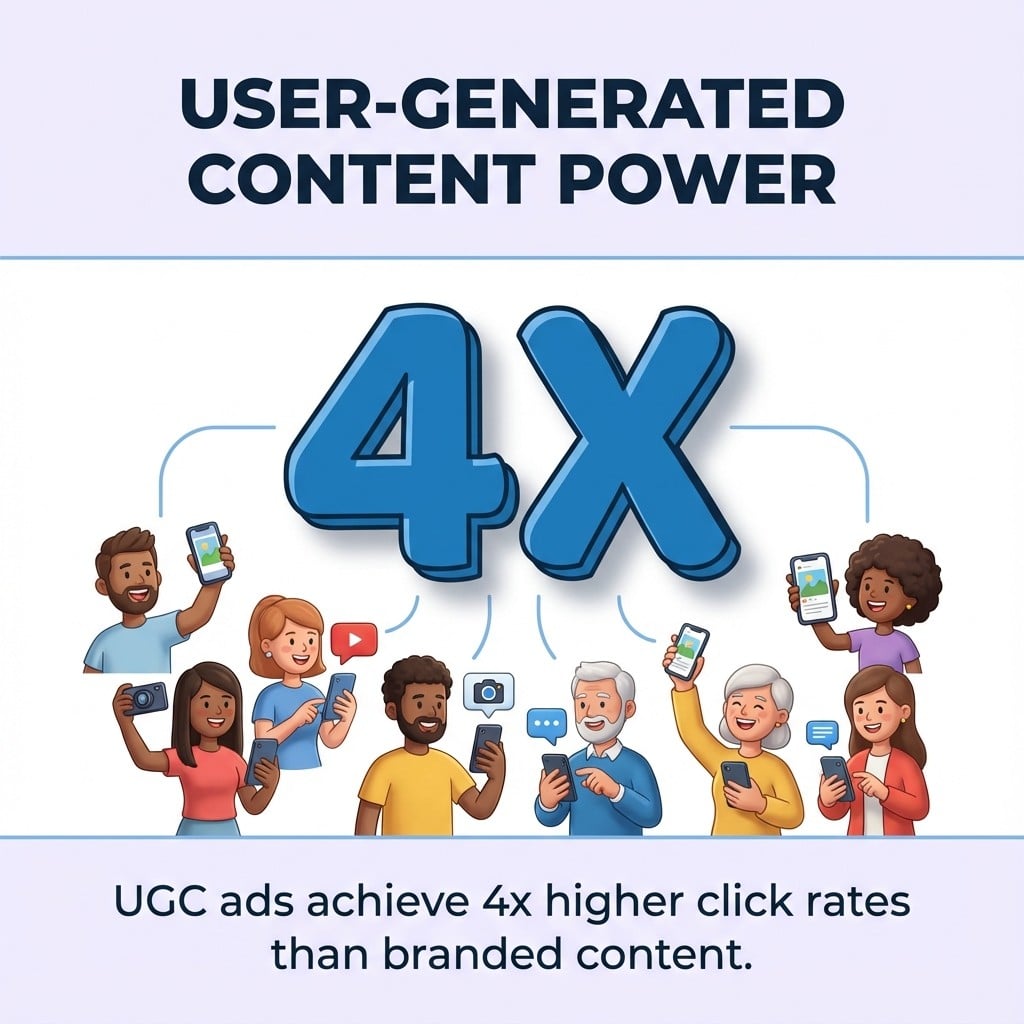
User-generated content builds trust—some reports show up to 4x higher click-through rates for UGC ads versus branded content. Encourage customers to share their experiences.
| Platform | Best For | Content Type |
|---|---|---|
| B2B marketing, professional services | Articles, industry insights, company updates | |
| Visual brands, lifestyle products | Photos, Reels, Stories | |
| Broad audiences, community building | Mixed content, live video, groups | |
| TikTok | Younger demographics, creative brands | Short-form video, trends |
| Twitter/X | Real-time engagement, customer service | Quick updates, conversations |
The challenge? Each platform requires different content and time investment. Spreading yourself too thin weakens results across all channels.
Tools like Buffer, Hootsuite, and Later help schedule posts and track performance across multiple platforms.
4. What Is Content Marketing and Why Does It Matter?
Content marketing attracts and retains audiences by creating valuable, relevant information that solves problems—instead of pitching products directly, you provide helpful content that builds trust before asking for sales. According to Content Marketing Institute, 61% of B2B marketers expect their organizations’ investment in video content to increase in 2025.
The key is matching content to audience needs. What questions do potential customers ask? What problems keep them up at night? Your content should answer these questions.
Companies using blogs generate 55% more website traffic and 67% more leads than those that don’t, according to SQ Magazine. That’s a significant competitive advantage.
What Content Types Drive Results?
Blog posts drive SEO and establish thought leadership. Optimize each post for relevant keywords. Answer specific questions completely. I track content marketing statistics regularly, and the data consistently shows that thorough, well-researched content outperforms thin posts.
Video content engages visual learners. YouTube tutorials, product demos, and educational series build audiences. Video also ranks in search results.
Podcasts reach audiences during commutes and workouts. Audio content builds deeper connections through consistent listening habits. The number of podcast listeners worldwide reached over 584 million in 2025.
Infographics simplify complex information. They earn backlinks and social shares. Visual content performs well across platforms.
Case studies prove your solutions work. Document customer successes with specific results. These convert prospects researching options.
Guides and ebooks capture leads. Offer detailed resources in exchange for email addresses. This grows your list while providing value.
How Do You Create Content That Works?
Topic research identifies what your audience actually wants. Use tools like AnswerThePublic to find common questions. Review competitor content to spot gaps.
Quality beats quantity every time. One excellent post outperforms five mediocre ones. Invest time in research, writing, and editing. Check out these content marketing examples for inspiration.
Distribution matters as much as creation. Publish the blog post. Share it on social media. Include it in your email newsletter. Repurpose it into other formats. I’ve detailed this in my guide on content promotion strategies.
Content Marketing Checklist:
- Identify your audience’s biggest problems and questions
- Create content that thoroughly addresses those topics
- Optimize for search engines without sacrificing readability
- Distribute across multiple channels
- Update and refresh evergreen content regularly
Content marketing feeds multiple channels. Your blog posts support SEO. Videos populate social media. Guides generate email subscribers.
The main investment? Time and consistency. Results build gradually. Stick with it and content compounds over time.
5. Why Is Email Marketing Still So Effective?
Email marketing communicates directly with people who opted in to hear from you, delivering the highest ROI of any digital channel—$36-$42 for every $1 spent according to Litmus. That’s a 3,600% return, which is why smart marketers prioritize list building.
Unlike social media, you own your email list. Algorithm changes don’t affect deliverability. Platform policy shifts don’t shut down your channel. Nearly 4.5 billion people use email worldwide, and that number keeps growing.
The foundation is building a quality list. Offer valuable content or resources in exchange for email addresses. Never buy lists. Purchased contacts rarely convert and damage your sender reputation.
What Email Campaign Types Should You Use?
Welcome series introduce new subscribers to your brand. Send a sequence of 3-5 emails over the first week. Share your best content. Set expectations for future emails.
Newsletter campaigns keep subscribers engaged. Share recent blog posts, industry news, or exclusive insights. Maintain consistent sending schedules.
Promotional emails drive sales and conversions. Announce new products, share special offers, or promote upcoming events. Balance promotional content with educational emails.
Drip campaigns nurture leads automatically. Triggered sequences send based on subscriber actions. Someone downloads a guide? Send related content over the next few weeks.
I’ve covered email marketing best practices in depth, and one principle stands out: every email should have a single, clear objective.
What Are Email Marketing Best Practices?
Segmentation improves results significantly. Group subscribers by interests, behavior, or demographics. Send targeted messages to each segment.
Subject lines determine open rates. Keep them under 50 characters. Create curiosity without being misleading. Test different approaches.
Mobile optimization matters. Most people check email on phones. Use responsive templates. Keep paragraphs short. Make CTAs easy to tap.
Personalization goes beyond names. Reference past purchases. Recommend relevant products. Acknowledge subscriber preferences. Hyper-personalization powered by first-party data can predict subscriber needs—go beyond “Hi [Name]” to behavior-based journeys.
![Hyper-personalization powered by first-party data can predict subscriber needs—go beyond “Hi [Name]” to behavior-based journeys.](https://nealschaffer.com/wp-content/uploads/gemini-statistic-ai-personalization-advances-to-hyperpersonalizatio-1766074148011-1200x670.jpeg)
| Email Metric | What It Tells You |
|---|---|
| Open Rate | Subject line and sender name effectiveness |
| Click Rate | Content relevance and CTA strength |
| Conversion Rate | Overall campaign effectiveness |
| Unsubscribe Rate | Content quality and frequency appropriateness |
According to Omnisend, email campaign click-to-conversion rates grew by 27.6% in 2024. Testing improves performance over time. Try different subject lines, sending times, and content formats. Let data guide decisions.
Compliance with regulations protects your business. Include unsubscribe links. Honor opt-out requests immediately. Follow CAN-SPAM and GDPR requirements.
Tools like Mailchimp, ConvertKit, and ActiveCampaign handle email delivery, automation, and analytics. For more tactical guidance, explore my email marketing tips.
6. How Does Affiliate Marketing Work?
Affiliate marketing pays partners commissions for driving sales or leads—you only pay for actual results, making it a performance-based model that reduces risk. The affiliate marketing industry is valued at $17 billion and projected to exceed $31 billion by 2031 according to Publift.
The approach works two ways. You can recruit affiliates to promote your products. Or you can become an affiliate, promoting other companies’ offerings to your audience.
Affiliate marketing drives up to 16% of all ecommerce sales, offering businesses a scalable and cost-effective way to increase conversions.
How Do Affiliate Programs Work?
Affiliate networks connect merchants with promoters. ShareASale, CJ Affiliate, and Impact provide tracking, payments, and partner management.
Tracking links identify which affiliate drove each sale. Special URLs or cookies attribute conversions correctly. This ensures proper commission payments.
Commission structures vary. Some programs pay percentage of sales. Others offer flat fees per lead or action. Higher-value products typically support larger commissions.
Typical affiliate conversion rates range from 0.5% to 3%, with top affiliates reaching 5-10% according to industry benchmarks. The key is recruiting quality partners with engaged audiences.
How Do You Build an Affiliate Program?
Commission rates must attract affiliates while preserving margins. Research competitor rates. Start competitive and adjust based on results.
Recruitment targets partners with relevant audiences. Bloggers, podcasters, and social media influencers make natural affiliates. Look for aligned values and quality content.
Marketing assets help affiliates succeed. Provide banners, text links, and product information. The easier you make promotion, the more partners participate.
Compliance rules protect your brand. Ban unethical tactics like spam or trademark bidding. Clear terms of service prevent problems.
For a deeper dive into this topic, see my comparison of digital marketing vs affiliate marketing.
Affiliate Program Checklist:
- Research affiliate networks relevant to your industry
- Set competitive commission rates based on margins
- Create comprehensive affiliate resources and materials
- Recruit partners with audiences matching your target market
- Monitor affiliate activities for compliance issues
The challenge? You sacrifice margin for reach. Commission costs reduce per-sale profit. Success requires volume to offset lower margins.
7. What Is Influencer Marketing?
Influencer marketing leverages trusted voices to reach engaged audiences—instead of building your own following from scratch, you tap into established communities where trust already exists. The influencer marketing industry reached $32.55 billion in 2024 according to Sociallyin, and it’s still growing.
The effectiveness comes from trust transfer. Audiences trust influencers they follow. When those influencers endorse your product, some of that trust extends to your brand.
On average, brands earn $5.78 for every $1 spent on influencer marketing. Some programs perform even better, while others waste budget entirely. The difference comes down to execution.
What Are the Types of Influencers?
Mega-influencers have millions of followers. They offer massive reach but charge accordingly. Their audiences are broad but less targeted.
Macro-influencers count followers in hundreds of thousands. They balance reach with niche focus. Costs remain significant but more accessible than mega-influencers.
Micro-influencers engage 10,000 to 100,000 followers. They offer highly engaged, niche audiences. Costs are reasonable and ROI often exceeds larger influencers.
Nano-influencers have under 10,000 followers. Their tight-knit communities trust them deeply. They’re affordable and often open to product trades.
| Influencer Tier | Typical Reach | Best For |
|---|---|---|
| Nano | 1K-10K followers | Local businesses, niche products |
| Micro | 10K-100K followers | Targeted campaigns, community building |
| Macro | 100K-1M followers | Brand awareness, product launches |
| Mega | 1M+ followers | Mass market products, major campaigns |
How Do You Run Influencer Campaigns?
Influencer selection matters more than follower counts. Look for engagement rates, audience demographics, and content quality. Fake followers plague the industry, so verify metrics.
According to Shopify, Instagram remains the most popular influencer channel, but engagement rates are lower: 1.9% on average in 2025, compared to TikTok’s 5.3%.
Campaign objectives guide partnership structure. Brand awareness campaigns might involve simple mentions. Lead generation requires trackable links. Sales campaigns need discount codes.
I’ve written an entire influencer marketing strategy guide with more detailed frameworks for running campaigns.
Disclosure requirements protect consumers. Influencers must clearly mark sponsored content. FTC guidelines mandate transparency. Ensure partners comply.
Long-term partnerships work better than one-off posts. Repeated exposure builds familiarity. Ongoing relationships feel more authentic.
8. Why Is Video Marketing Dominating?
Video marketing uses visual storytelling to engage audiences across platforms—people retain more information from video, share it more frequently, and feel more connected to brands that show faces and personalities. Short-form video drives 70% higher engagement than static content across TikTok, Instagram Reels, and YouTube Shorts.
AI and video dominate 2026 advertising trends. Connected TV (CTV) and YouTube are gaining from expanded cross-device consumption. Video reaches audiences across TVs, computers, tablets, and phones.
YouTube Shorts leads the short-form video market with 2 billion monthly active users, ahead of TikTok’s 1.59 billion and Instagram Reels’ 1.8 billion according to Loopex Digital.
What Video Content Types Should You Create?
Explainer videos teach concepts or demonstrate products. They work well on landing pages and in email campaigns. Keep them under three minutes.
Product demos show features and benefits. They reduce purchase hesitation by letting prospects see products in action.
Customer testimonials build credibility. Real customers sharing experiences prove your value better than marketing copy.
Behind-the-scenes content humanizes your brand. Show your team, your process, your values. This builds connection.
Educational content establishes expertise. Tutorials, tips, and industry insights position you as an authority. This content compounds value over time.
Live video creates urgency and interaction. Q&A sessions, product launches, and events engage audiences in real-time.
How Do You Optimize for Different Platforms?
YouTube functions as the second-largest search engine. Optimize video titles, descriptions, and tags for search. Create playlists to organize content. Engage with comments.
Social media platforms favor native video. Upload directly to Facebook, Instagram, and LinkedIn instead of sharing YouTube links. Native videos get more reach.
Short-form video dominates on TikTok, Instagram Reels, and YouTube Shorts. Create vertical, attention-grabbing content under 60 seconds. 51% of Gen Z boys and 43% of girls made a purchase after watching YouTube Shorts ads according to eMarketer.
Video Marketing Tips:
- Start with smartphone video before investing in expensive equipment
- Optimize audio quality since bad sound kills watch time
- Add captions because many watch without sound
- Front-load value since attention spans are short
- Include clear calls-to-action at the end of videos
Video content supports multiple digital marketing types. Use it in social media marketing, content marketing, and email campaigns. It enhances nearly every channel.
9. How Important Is Mobile Marketing?
Mobile marketing reaches audiences on smartphones and tablets, which now account for 62.54% of all global web traffic according to Statista. If your marketing doesn’t work on a small screen, you’re losing the majority of your potential audience.
Mobile commerce is currently worth more than $550 billion in the US alone, and that number is projected to grow by more than 50% in the next two years. Mobile shopping is expected to account for 72.9% of all e-commerce sales in 2025 according to G2.
Mobile users behave differently. They have shorter attention spans. They want immediate information. They often search with local intent.
What Are Mobile-First Strategies?
Responsive design makes websites work on any screen size. Text remains readable. Buttons stay tappable. Navigation simplifies automatically.
Mobile apps create dedicated experiences. They allow offline functionality, push notifications, and device feature access. Apps work for businesses with frequent user interactions.
SMS marketing reaches customers directly. Text messages have extremely high open rates. They work for appointment reminders, order updates, and time-sensitive offers.
Mobile advertising targets smartphone users. In-app ads, mobile search ads, and social media ads all optimize for mobile screens and behaviors.
Location-based marketing uses GPS data. Send offers when customers are near your store. Target ads to specific geographic areas.
What Are Mobile Optimization Essentials?
Page speed determines mobile success. Slow sites lose visitors instantly. Compress images. Minimize code. Use mobile-friendly hosting.
Touch-friendly design accommodates fingers, not mouse pointers. Make buttons large enough to tap easily. Space elements to prevent accidental clicks.
| Mobile Element | Best Practice |
|---|---|
| Load time | Under 3 seconds target |
| Button size | Minimum 44×44 pixels |
| Text size | 16px minimum for readability |
| Form fields | 5 or fewer when possible |
Simplified navigation helps mobile users find information quickly. Hamburger menus work well. Reduce menu options. Prioritize key pages.
Forms need mobile optimization too. Minimize required fields. Use appropriate keyboard types. Enable autofill.
Local SEO matters more on mobile. “Near me” searches happen primarily on phones. Optimize your Google Business Profile. Include location information clearly.
The reality? Mobile isn’t optional anymore. Most of your audience uses phones primarily. Poor mobile experience costs conversions regardless of how good your desktop site looks.
10. What Is Display and Programmatic Advertising?
Display advertising places visual ads—banners, images, and rich media—on websites, apps, and platforms across the internet, while programmatic advertising automates the buying and placement of those ads in real-time. Together, they represent roughly 35% of all digital ad spending worldwide, reaching $247 billion.
Think about it: when you visit a website and see banner ads on the sidebar, or when an ad follows you around the internet after you viewed a product—that’s display advertising at work. Programmatic is simply the automation that makes it happen at scale.
This type differs from PPC search ads in a fundamental way. Search ads capture existing demand—someone actively looking for your solution. Display ads create demand—they put your brand in front of people who weren’t searching but match your target profile.
How Does Programmatic Advertising Work?
The traditional way to buy display ads involved calling publishers, negotiating rates, and manually placing campaigns. Programmatic changed everything.
Now, automated systems use real-time bidding (RTB) to purchase ad impressions in milliseconds. When someone loads a webpage, an auction happens instantly—advertisers bid for the opportunity to show their ad to that specific user based on data signals.
According to eMarketer, worldwide programmatic display ad spending will grow 14.6% in 2025. In the US, programmatic accounts for 91.3% of all digital display ad spending—manual buying has become the exception, not the rule.
When Does Display Advertising Make Sense?
Brand awareness campaigns benefit most from display. When people don’t know you exist, search ads won’t help—they need to search first. Display puts your brand in front of target audiences proactively.
Retargeting campaigns use display to re-engage website visitors. Someone browsed your product page but didn’t buy? Display ads can follow them with reminders across the web.
B2B marketing often relies on display for account-based marketing (ABM). Target ads to specific companies or job titles through platforms like LinkedIn Display or programmatic B2B networks.
| Display Ad Type | Best For | Typical CPM |
|---|---|---|
| Banner Ads | Brand awareness, broad reach | $2-$5 |
| Native Display | Content promotion, engagement | $4-$8 |
| Retargeting | Cart recovery, re-engagement | $3-$6 |
| Video Display | Storytelling, product demos | $10-$25 |
| Connected TV (CTV) | Premium brand building | $20-$40 |
The main challenge? Ad blindness. Users have learned to ignore banner ads. Your creative needs to stand out, and your targeting needs to be precise. Poor targeting wastes budget on impressions that never register.
Display works best when integrated with your other channels. Use content marketing to attract visitors, then retarget them with display. Build awareness with display, then capture intent with PPC.
How Do You Measure Digital Marketing Success?
Marketing analytics transforms data into decisions—every digital marketing channel generates metrics, and interpreting those numbers separates businesses that scale from those that stall. Without measurement, you’re guessing with your budget.
Here’s the thing: the ten types of digital marketing I just covered? They all generate data. Lots of it. The businesses winning in 2026 aren’t necessarily the ones spending the most—they’re the ones measuring the right things and acting on what they find.
28.5% of successful companies believe they measure ROI effectively versus only 7.5% of unsuccessful companies. That’s nearly a 4x difference. Measurement isn’t optional—it’s the differentiator.
What Key Metrics Should You Track by Channel?
Each digital marketing type requires different metrics. Here’s what matters most:
| Channel | Primary Metrics | What They Tell You |
|---|---|---|
| SEO | Organic traffic, rankings, click-through rate | Visibility and search relevance |
| PPC | Cost per click, conversion rate, ROAS | Campaign efficiency and profitability |
| Social Media | Engagement rate, reach, follower growth | Content resonance and community health |
| Content Marketing | Time on page, scroll depth, conversions | Content quality and intent alignment |
| Open rate, click rate, conversion rate | Subject line effectiveness and offer relevance | |
| Display | Impressions, viewability, brand lift | Awareness impact and creative performance |
| Affiliate | Conversion rate, revenue per click, partner quality | Program health and partner ROI |
| Influencer | Engagement rate, referral traffic, conversions | Partnership effectiveness |
| Video | Watch time, completion rate, click-through | Content quality and audience retention |
| Mobile | Mobile conversion rate, app installs, engagement | Mobile experience quality |
Don’t try to track everything. Pick 2-3 metrics per channel that directly connect to business outcomes. Vanity metrics feel good but don’t pay the bills.
For more on building your measurement stack, explore my guide on marketing analytics tools.
How Do You Use Data to Improve Results?
Set benchmarks before launching. Establish baseline metrics. Define what success looks like. Without a starting point, you can’t measure progress.
Review data on a schedule. Weekly for active campaigns. Monthly for overall strategy. Quarterly for big-picture trends. Checking stats daily leads to reactive decisions based on noise, not signal.
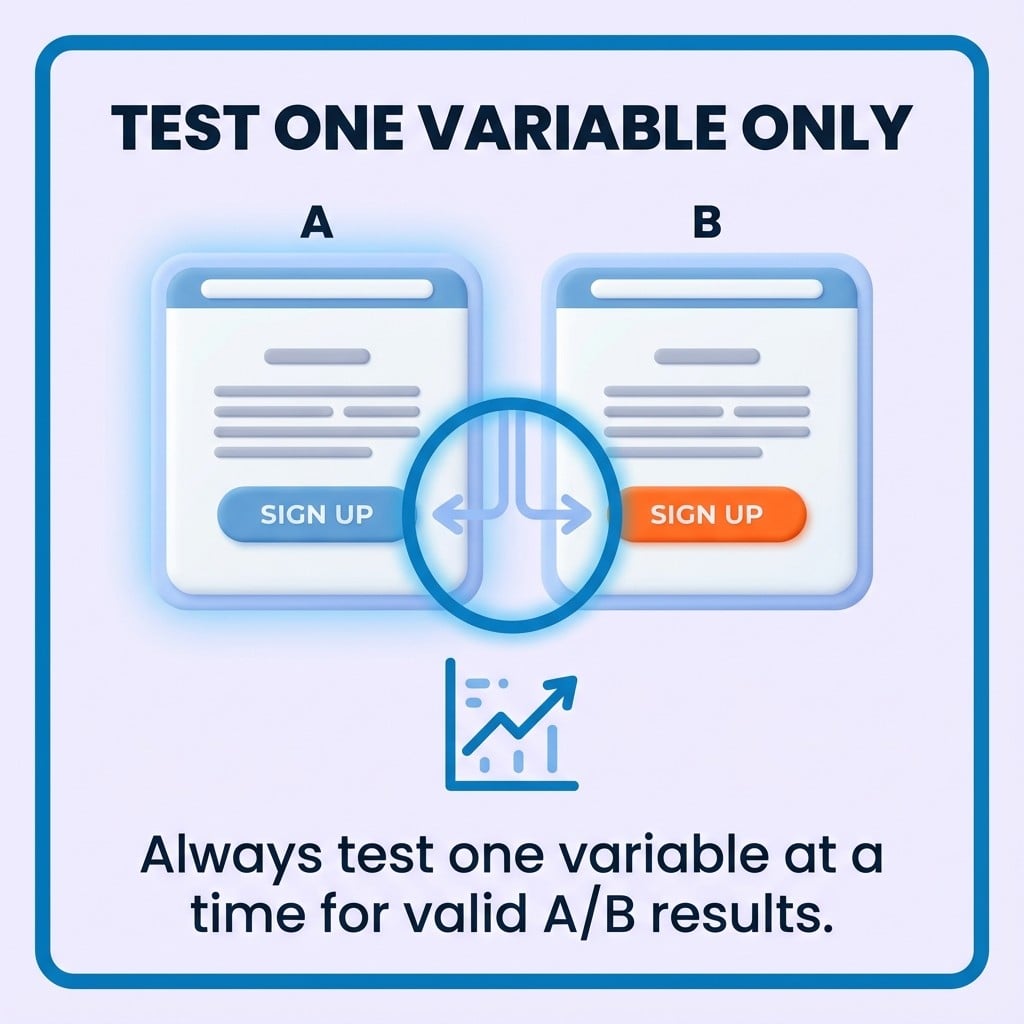
Run proper A/B tests. Change one variable at a time. Run tests long enough for statistical significance. I’ve seen marketers declare winners after 50 clicks—that’s not testing, that’s guessing.
Fix the biggest leaks first. Conversion funnel analysis identifies where prospects leave. A 20% improvement at your worst drop-off point beats a 5% improvement across five touchpoints.
Calculate customer lifetime value. Know how much each customer is worth over time. This number determines how much you can spend to acquire them profitably. Most businesses underspend on acquisition because they only look at first-purchase margins.
The Privacy Factor
Privacy regulations have changed the data landscape. GDPR, CCPA, and platform restrictions limit tracking capabilities. Third-party cookies are disappearing.
The response? First-party data becomes more valuable than ever. Build direct relationships with customers. Grow your email list. Create accounts and loyalty programs. Own the relationship rather than renting access through platforms.
For insights on how AI is transforming marketing analytics, check out my dedicated guide on leveraging artificial intelligence in your digital marketing efforts.
The bottom line: analytics turns the ten digital marketing types from guesswork into science. Measure what matters, review it regularly, and let data—not hunches—guide your budget allocation.
How Do You Choose the Right Digital Marketing Mix?
You don’t need all ten types. Most businesses thrive with three to five executed consistently.
Your target audience determines channel priorities. Where do they spend time online? What problems drive their searches? How do they prefer to consume content?
Business goals shape digital marketing strategy. Brand awareness needs content marketing and social media. Lead generation requires SEO and email marketing. Immediate sales benefit from PPC advertising.
Budget constraints force prioritization. Start with one or two channels. Master them before expanding. Quality execution beats scattered presence.
Resource availability matters too. Content marketing demands writing skills. Video marketing needs production capabilities. Social media requires consistent engagement. Choose types matching your team’s strengths.
| Business Goal | Primary Channels | Secondary Channels |
|---|---|---|
| Brand Awareness | Content Marketing, Social Media | Influencer Marketing, Video |
| Lead Generation | SEO, Email Marketing | PPC, Content Marketing |
| Immediate Sales | PPC, Affiliate Marketing | Email, Social Ads |
| Customer Retention | Email Marketing, Social Media | Content, Video |
Industry factors influence effectiveness. B2B companies benefit from LinkedIn and email marketing. E-commerce brands need strong SEO and PPC. Local businesses prioritize mobile marketing and local SEO.
Test before committing. Run small campaigns. Measure results. Scale what works. Cut what doesn’t. Let data guide allocation.
Consistent brand signals across ecosystems build recognition for users and AI. Maintain cohesive messaging across chosen channels.
The marketing funnel needs different types at each stage:
- Awareness: Content marketing, social media, SEO
- Consideration: Email marketing, video marketing
- Decision: PPC, affiliate marketing, influencer marketing
Integration amplifies results. Blog posts support SEO and email content. Social media shares video content. Email promotes blog posts. Each type strengthens others.
For businesses just starting, my guide on digital marketing for small business provides a practical roadmap.
Frequently Asked Questions About Digital Marketing Types
The seven most commonly cited types are search engine optimization (SEO), content marketing, social media marketing, pay-per-click advertising (PPC), email marketing, affiliate marketing, and influencer marketing. These represent core channels used across most industries regardless of company size.
Email marketing and social media marketing offer the lowest barriers to entry for beginners. Both require minimal technical knowledge to start, have free or low-cost tools available, and provide immediate feedback on what resonates with your audience. Start with one platform and master it before expanding.
Most small businesses allocate 7-12% of gross revenue to marketing, with digital channels receiving 50-80% of that budget. Start with what you can sustain consistently—$500-$2,000 monthly is common for small businesses. Focus spending on 2-3 channels rather than spreading thin across many.
Email marketing consistently delivers the highest ROI at $36-$42 for every $1 spent. SEO follows closely with organic leads converting at 14.6% compared to 1.7% for traditional outbound methods. However, ROI varies significantly based on industry, execution quality, and business model.
Results timeline varies by channel: PPC delivers results within hours, social media engagement shows within days to weeks, email marketing results appear within weeks, and SEO typically takes 3-6 months to show significant movement. Content marketing compounds over time, with major results often appearing after 6-12 months of consistent effort.

Your Next Steps in Digital Marketing
Start with one or two digital marketing types. Build competence before expanding.
If you need immediate visibility, test PPC advertising. Small budgets reveal what messaging works. Scale successful campaigns gradually.
For long-term growth, prioritize SEO and content marketing. These compound over time. Consistent effort builds sustainable traffic.
Email marketing works for nearly everyone. Start building your list today. Offer value in exchange for addresses. Nurture subscribers consistently.
Choose based on your strengths. Good at writing? Focus on content marketing. Comfortable on camera? Try video marketing. Play to your advantages.
Set specific goals before launching anything. Define what success looks like. Establish measurement criteria. Track progress regularly.
The businesses winning at digital marketing in 2026 aren’t doing everything. They’re doing the right things consistently. They measure results. They optimize constantly. They stay focused on what works for their specific situation.
For a comprehensive framework that ties all of this together, check out my book Digital Threads—it’s designed specifically for small businesses, entrepreneurs, and marketers looking to master digital marketing in today’s digital-first world.
Pick your channels. Create your plan. Start today.
Actionable advice for your digital / content / influencer / social media marketing.
Join 13,000+ smart professionals who subscribe to my regular updates.
