


Back in 2014 and 2015, I founded one of the first conferences focused on marketing technology for social media marketing: The Social Tools Summit. A decade has past since then, but the importance of marketing technology has not faded with time. The recent emergence of mainstream AI and its generative AI offshoot have only made these tools all the more important.
That being said, marketing has always been powered by people, but in today’s digital-first world it’s equally powered by technology. From customer data platforms and email automation to AI-driven personalization and analytics, marketing technology—commonly known as martech—has become the backbone of how businesses connect with audiences.
Despite its prevalence, for many entrepreneurs, the conversation feels overwhelming, dominated by thousands of tools and enterprise jargon. This guide will cut through the noise, highlight the tools that matter, and show how to build a martech stack that drives real growth.
What Is Marketing Technology?
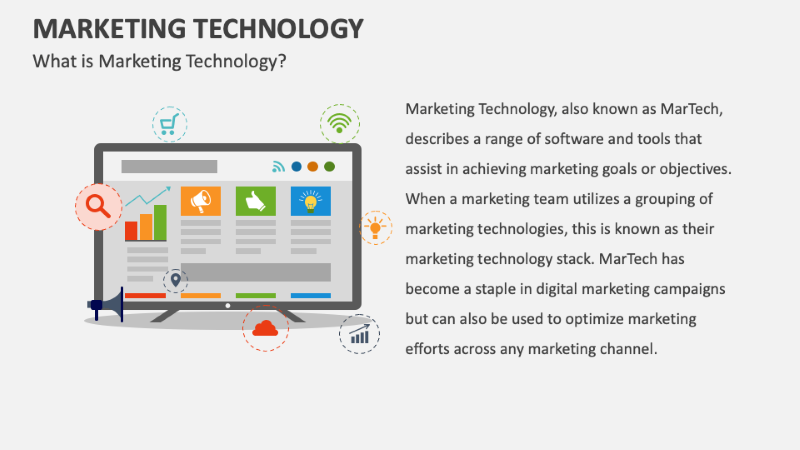
Marketing technology (martech) is often defined simply as the software marketers use, but it’s far more than just tools—it’s the digital infrastructure that drives how modern marketing operates. Understanding its role is the first step to cutting through the hype and focusing on what really matters.
Marketing technology combines marketing strategy and technology, and can focus on SEO and customer journey, or customer relationships and email list building, or anything in between. Marketing technology is a broad term, but describes any technology used to move forward marketing objectives.
Unlike adtech, or advertising technology, martech focuses specifically on marketing, rather than advertisement. Adtech will encompass tools that allow you to create ads or advertising campaigns. Martech is a broader-reaching marketing technology stack with a more significant focus on building your audience and brand.
Although I can certainly provide an ideal marketing technology stack, martech is more than just software. Martech describes the strategic infrastructure that underlies a brand’s entire marketing strategy. This includes social media, marketing automation, AI marketing tools, and even customer experience tools.
Why Marketing Technology Matters Today
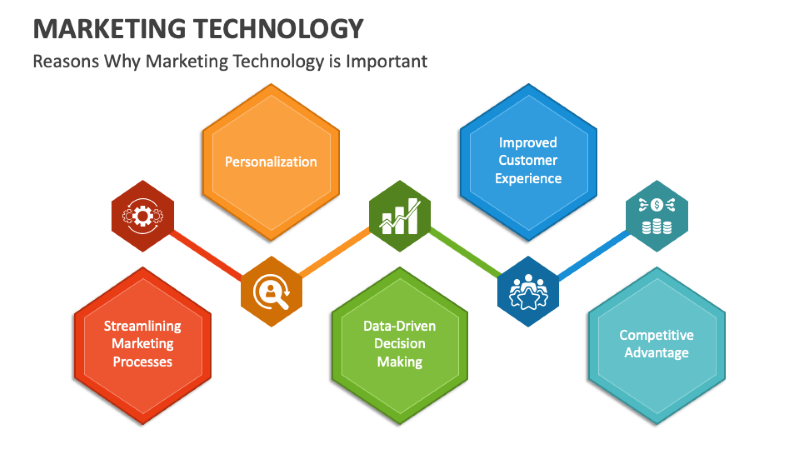
Martech is no longer optional—it’s the backbone of modern campaigns and customer engagement. Whether you’re running a startup or scaling a growing brand, the right tools can mean the difference between marketing that’s reactive and marketing that’s measurable and scalable.
The core benefits of a solid marketing technology stack are:
- Efficiency. Marketing efforts should be bolstered by your martech stack to increase efficiency. This is most often achieved through marketing automation, but tools like Google Analytics, CRMs, and CSMs can also help bolster efficiency.
- Personalization. Personalizing your social media, your email lists, and more can help more effectively connect with your audience. Martech tools can help foster relationships with followers and encourage customer engagement.
- Scalability. Scaling is a part of growth, whether your social media is growing, or your company is expanding. A useful marketing stack will help scale efficiently, whether you are increasing your landing pages, growing your team, or bringing generative AI on board as a frequent tool.
- ROI Measurement. Measuring your return on investment is vital to fully understand how your marketing efforts are playing out. A marketing strategy with low ROI is one that needs updating or reinventing entirely. Regular lead generation is vital, as is compelling content creation, so select a martech ecosystem approach that checks multiple boxes rather than only checking one.
Martech offers unique value for small-to-medium businesses (SMBs) and entrepreneurs. A well-rounded tech stack can help smaller businesses and individuals compete with larger brands, operate on a leaner budget and staff, and democratize access to advanced tools in digital marketing.

Further Reading: The Main Trends in Martech for 2025: Market Size, Opportunities & Analytics
The Core Components of a Martech Stack
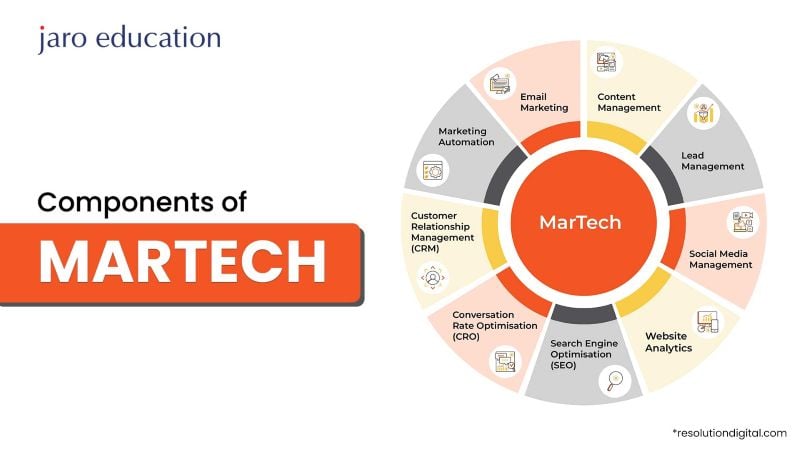
Your tech stack is an essential aspect of both digital marketing and content marketing, but what exactly does it mean to have a tech stack? Essentially, the tech stack is the series of apps and platforms you use to support your marketing efforts while improving customer experience and streamlining your process.
Typically, when discussing a successful tech stack, marketers take 5-6 essential categories into account. These categories include:
- Marketing Automation: Marketing automation can be used to build your email marketing practices, manage your social media, and support customer experiences. Nurture sequences and triggered campaigns are two common types of automation you may use, but automation can also simply mean having a highly responsive design on your site or embedded within your social media.
- CRM: Customer Relationship Management (CRM) platforms are crucial, as they provide customer data and lead management, and are valuable for both B2B and B2C applications. Some may be able to provide data narratives to help more effectively understand the behavior of your audience.
- CMS: Your Content Management System (CMS) is also vital. It can act as a website or blog, or as a marketing hub, while providing customer insights and a base from which to generate digital marketing materials.
- Analytics & Reporting: Analytics and reporting tools–think Google Analytics–can help boost all forms of marketing, from email marketing to social media. These tools help entrepreneurs and small businesses make data-driven decisions.
- SEO & Search Tools: SEO and search tools differ from marketing analytics, but often employ marketing analytics to help drive results. SEO and search tools can help generate content that ranks well in search, while search tools can help improve your search engine marketing efforts.
- Social Media Tools: Social media tools typically include tools for scheduling, engagement, and listening. These tools can make it easier to keep marketing operations running smoothly, while developing some search engine optimization tools for social use.
- Artificial Intelligence Tools: The latest entrant to the martech tool stack are AI tools. Most of the other tools vendors are slowly integrating AI into their own technology, but there have been a growth in tools that have AI-specific functionality, beginning with the LLMs themselves.
Ultimately, many of these martech solutions can be used for multiple purposes, and at affordable rates. Common email marketing platforms frequently have free plans, as do social media marketing platforms. As you build your own stack, make sure you look into both free or lower-rate options and high-rate options, to make the most of your budget and your tech stack.
To give you an example of what a stack might look like, here is the current one I am using at the time of writing this post:
Further Reading: Top 13 Free Social Media Management Tools You Need to Know
Once you’ve mastered the fundamentals, the next step is exploring advanced tools that help personalize, test, and future-proof your marketing. These innovations aren’t just for enterprise—they’re becoming increasingly accessible to SMBs too.
A discussion of advanced and emerging tools is not complete without taking a look a further look at AI, testing and optimization, and customer data platforms, or CDPs.
CDPs are platforms that gather information about customers to improve customer experiences and support customer engagement. CDPs help support marketing operations by going past the basics offered by Google Analytics and gathering more targeted data.
AI-powered tools are also common tools in a martech ecosystem. AI is frequently used to generate content, provide chatbots to improve customer relations, and personalize email marketing.
Is Your LinkedIn Not Delivering Results?
Just released: my new book to help professionals, entrepreneurs, and business owners maximize LinkedIn for real growth.
With years of LinkedIn expertise, Maximizing LinkedIn for Business Growth offers actionable steps to build your brand, expand your network, and drive results.
Start leveraging LinkedIn like never before—grab your copy now! Click the cover or button below to buy on Amazon.

Testing and optimization tools are also important to many martech ecosystems, as they provide A/B testing to evaluate content, and heat maps to determine where customers are (and are not) spending their time. These insights can do just about everything, from helping improve customer engagement, to developing a consistent brand look and approach.
Augmented reality, virtual reality, and the metaverse are other potential avenues to explore, but they are not to be used lightly. All of these tools are potentially expensive and may not be as highly regulated, making them problematic for many who want a more streamlined online experience.
Further Reading: How to Evolve Your Marketing with AI in Social Media
How to Design the Right Martech Stack for Your Business
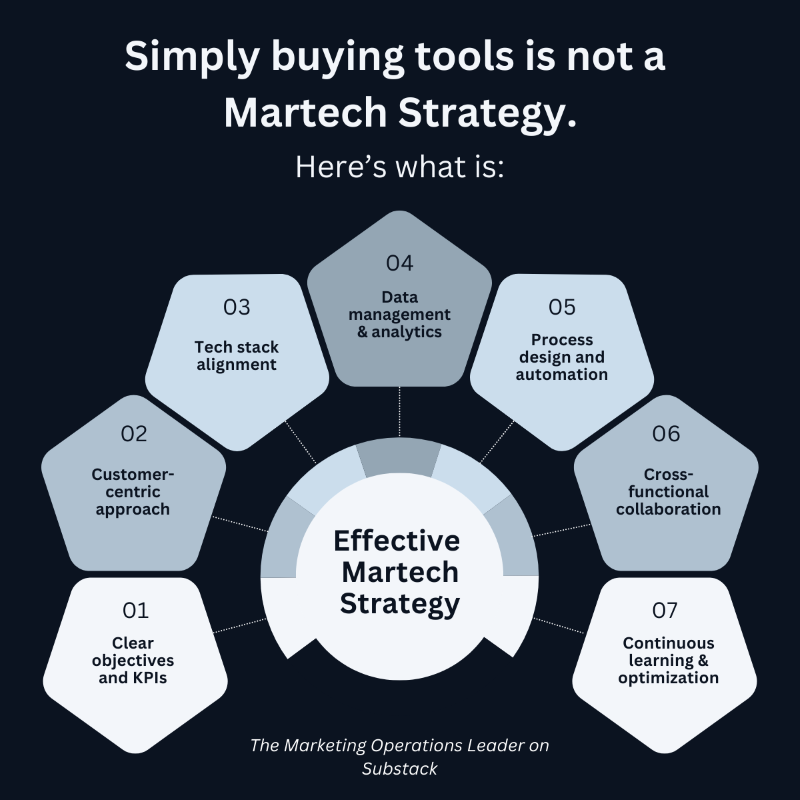
The biggest martech mistake businesses make isn’t buying the wrong tool—it’s buying too many without a strategy. A smarter approach is to build intentionally, choosing solutions that align with your goals and budget.
Many common tools are free, and a martech ecosystem worth its weight is going to be one that includes some paid and some free tools. To ensure you have the best martech ecosystem for your business, remember…
- Start with strategy, not tools. Your choices should align with your business goals. Identify the areas most in need of assistance or improvement, and go from there.
- Identify pain points. Audience pain points will determine a great deal of your overall martech strategy. The most common gaps include lead management, analytics, and engagement. Marketing technologists will likely home in on these areas and select software accordingly.
- Budget wisely. Although web analytics, data management, and general marketing activities are important to keep track of, make sure that you are keeping your budget in mind as you develop your tech stack. Someone focused on brand awareness, for instance, will likely spend more on an app to improve SEO and social media reach. Someone focused on ROI may be more focused on spending money to improve their standing in the technology landscape.
- Integration matters. Integration is important to ensure that your marketing efforts and customer service are up to snuff. Avoid silos, and instead focus on APIs, or the components that either ensure your platforms will work in harmony, or ensure they will be at odds. Opt for compatible platforms and programs!
- Training & adoption. Tools are great, but they cannot bolster your landing page or improve your customer service if they are not adequately trained on and implemented. Generative AI can be useful, but if your team is not sure how to use AI, it would quickly lead to issues. Only continue using tools that work for your business’ needs.
The Future of Marketing Technology
Martech continues to shift at the pace of consumer behavior, with AI, privacy regulations, and platform consolidation defining the next few years. For small businesses, the challenge isn’t adopting everything new, but filtering the noise and focusing on trends that deliver real value.
As you determine which tools will be important for your business, to maximize ROI and lead generation, keep an eye on the current market. Current marketing innovations include:
- AI: AI is used for predictive analytics, smarter personalization, and content creation. While it may currently be an optional feature or an exciting new feature, AI will likely be integrated fully as an irremovable tool. Learning how to work with generative AI and other types of artificial intelligence will help you stay above the fray as you continue to use tools for social media management and behavioral data.
- Privacy-first marketing: Third-party cookies are rapidly disappearing, which means that first-party data collection will become the lifeblood of your business. First-party data collection and consent-based engagement are essential, but can certainly be tricky to implement. Analytics platforms and management platforms can help tackle the issue of privacy-first marketing.
- Omnichannel and hyper-personalization: As we continually move toward doing our lives online, with data-driven marketing and a robust martech landscape, customers increasingly expect seamless, consistent experiences across every touchpoint. Ensuring that your email marketing platforms, social media platforms, and whole ecosystem approach reflect this push for cohesion is important. Use the ecosystem approach to develop your tech stack, rather than selecting a series of unrelated or incompatible programs.
- Consolidation of platforms: Martech applications are frequently designed to be convenient and multipurpose. From data management platforms, to brand management software, opt for fewer but more integrated solutions. Do not juggle dozens of tools that flood the martech landscape; recognize which apps and programs are for you, and move forward.
Small businesses are especially vulnerable and should view these developments as opportunities to simplify rather than complicate their martech applications and CMS and CRM technology. For many, an email marketing platform, customer service platform, and social media messaging tool will be enough. For others, larger solutions may be necessary for social campaigns, email campaigns, and more.
Further Reading: The Future of B2B Social Media Marketing: Trends and Predictions for 2025 and Beyond
How Small Businesses Can Win with Martech in 2026
Marketing technology isn’t about chasing trends or buying every tool—it’s about making smarter choices that amplify strategy.
For small businesses, the most effective approach is lean, intentional, and tied directly to goals like generating leads, retaining customers, and proving ROI.
By starting with essentials, layering advanced tools only when needed, and keeping an eye on future trends, you can create a martech stack that drives impact, helps you compete, and fuels sustainable growth in a technology-driven world.
Digital asset management is important to make sure that your work is reaching your preferred audience, and that your customer lifecycle is one that will continually move your business forward. Using martech applications that meet your goals will help create response design on your website, emails, and socials, and meet your business analytics goals.
Further Reading: 9 Steps to Build an Effective Social Media Strategy for 2025
Actionable advice for your digital / content / influencer / social media marketing.
Join 13,000+ smart professionals who subscribe to my regular updates.
